



“I want to start a business, but I don’t have capital.” It’s the most common sentence in Nigerian entrepreneurship — and in 2026, it’s also increasingly an excuse rather than a barrier. With under ₦100,000, a smartphone, and consistency, there are genuinely profitable businesses you can launch this month. The internet has slashed startup costs, services need skill more than capital, and small trade still thrives in every Nigerian community.
This guide skips the fantasy “businesses” that need money you don’t have and the get-rich-quick traps that take the money you do have. Instead, here are realistic, proven low-capital ideas across three lanes — online, service, and trade — with rough startup costs and how to begin. Pick one that fits your skills and your market, start small, and grow from there.
📌 The quick truth: the best low-capital business isn’t the one with the highest “potential” — it’s the one you’ll actually run consistently. Online businesses (VTU, freelancing, content) need the least money; service businesses trade skill for capital; small trade needs the most cash but is simple to understand. Start with what matches your skills, reinvest your profit, and let consistency — not capital — do the heavy lifting.
Before You Choose: 3 Rules for Low-Capital Success
A little strategy saves a lot of wasted naira. First, start with what you know or can quickly learn — a business built on a skill or interest you already have is far likelier to survive. Second, start small and reinvest — don’t blow your ₦100,000 on day one; test cheaply, prove demand, then grow with profit. Third, solve a real local problem — the best small businesses serve a need you can see in your own community, street or campus. Keep these in mind as you read, and judge each idea against your situation, not just its appeal.
🌐 Online Businesses (Lowest Capital)
These need the least money and run from your phone — ideal if your capital is tight.
VTU / airtime & data reselling. You can start with as little as ₦5,000, selling airtime and data at a margin to a market of every phone owner. Low barrier, daily demand, fully phone-based — one of the most accessible businesses in Nigeria. (We cover this in depth in a dedicated guide.)
Freelancing. If you can write, design, edit video, manage social media, code or do virtual assistance, you can earn — often in foreign currency — with near-zero startup cost beyond a phone or laptop and data. Your skill is your capital. Build a simple portfolio and start on freelance platforms or via your network.
Content creation & social media. Building an audience on TikTok, Instagram, YouTube or a blog costs little but time and consistency. Monetise later through ads, brand deals, affiliate marketing or selling your own products. Slow to start, but a real asset over time.
Affiliate marketing & reselling. Promote others’ products for a commission, or resell items online (mini-importation, thrift, digital products) without holding much stock. Capital scales with ambition but can start very small.
🛠️ Service Businesses (Skill Over Capital)
Services trade your ability for income, so capital needs are modest — mostly tools and transport.
Phone repair / accessories. Phones are everywhere and they break. With a modest tool kit and some training, repair and accessories (cases, chargers, screen protectors) is steady, in-demand work in any community.
Laundry & cleaning services. Busy urban Nigerians increasingly pay for laundry, dry-cleaning pickup, and home/office cleaning. Startup is low — basic supplies and hustle — and demand is reliable in cities.
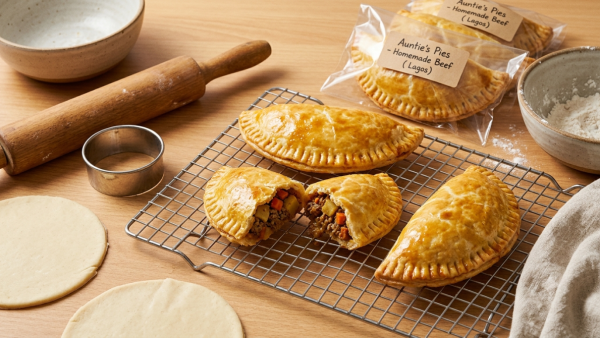
Catering, small chops & food. Food never goes out of demand. Small chops for events, home-cooked food delivery, baking, or a drinks/snacks spot can start small and grow by reputation. Hygiene and consistency are everything.
Tutoring & skill teaching. If you’re strong in a subject, exam prep, a language, or a digital skill, tutoring (in person or online) needs essentially no capital — just expertise and reliability.
Beauty services. Hairdressing, barbing, makeup, manicure/pedicure and similar can start with a basic kit and grow through referrals — high-repeat, community-based demand.
🛒 Small Trade & Retail
Trade needs more cash than online but is simple and time-tested.
Provision / mini-mart stall. Selling everyday essentials in a busy location is as old as commerce for a reason — constant demand. Start with fast-moving items and reinvest.
Fruits, foodstuff & farm produce. Buying produce wholesale and selling retail in your area is straightforward and always needed. Margins come from sourcing well and reducing waste.
Thrift (okrika) & fashion. Affordable second-hand and budget fashion remain hugely popular. Start small with a curated selection, sell via WhatsApp/Instagram and your community, and grow your buying as you learn what sells.
POS agency. With a terminal and float, you provide cash-in/cash-out and transfers in your neighbourhood, earning per transaction. Startup is a bit higher (terminal + float) but it’s a proven daily-income model. (We cover POS in a dedicated guide.)
How to Actually Start (This Week)
Ideas are cheap; starting is everything. This week: pick ONE idea that matches your skills, market and capital — don’t scatter. Research your specific market — who exactly will buy, at what price, and who you’re competing with. Start lean — spend the minimum to test real demand before committing your full budget. Use what you have — your phone, your network, your community are free distribution. Track every naira in and out from day one. And be consistent — most small businesses fail from giving up early, not from a bad idea. Momentum compounds; quitting resets it to zero.
Mistakes That Sink Low-Capital Businesses
Sidestep the common killers: spending all your capital upfront instead of testing first; chasing trends you don’t understand rather than serving a need you can see; mixing business and personal money so you never know if you’re profitable; ignoring marketing (a great product nobody hears about earns nothing); giving up after a slow start (most businesses take months to find their feet); and falling for “investment” schemes promising guaranteed high returns — those take your capital, they don’t grow it. Build slow, stay consistent, reinvest, and protect your money.
FAQ: Small Business Ideas Under ₦100,000 in Nigeria 2026
1. What business can I start with ₦100,000 or less in Nigeria?
Plenty — VTU/data reselling, freelancing, content creation, phone repair, laundry, catering, tutoring, beauty services, thrift fashion, provision retail and POS agency are all realistic under ₦100,000.
2. What’s the cheapest business to start?
Online businesses like VTU (from ~₦5,000), freelancing and content creation need the least capital — often just a phone, data and your skill.
3. Which low-capital business is most profitable?
There’s no single answer — profitability depends on execution and demand. Service and trade businesses can earn well; the most profitable is the one you run consistently and that serves real local demand.
4. Can I start a business with ₦50,000?
Yes — VTU, freelancing, tutoring, small thrift fashion, small chops/food, and beauty services can all start at or below ₦50,000 if you start lean.
5. What business can students start in Nigeria?
Freelancing, content creation, VTU reselling, tutoring, thrift fashion and small food/snacks suit students — low capital, flexible hours, and runnable from a phone alongside studies.
6. Do I need to register a low-capital business?
Not to start, but registering with the CAC once it earns real income builds trust, enables a business bank account, and looks professional. It’s a smart next step, not a day-one requirement.
7. How do I find customers for a small business?
Start with your existing network and community (WhatsApp, neighbours, campus, church/mosque), deliver reliably to earn referrals, and build a simple consistent social-media presence.
8. Which online business is best for beginners?
VTU reselling (very low capital, simple model) and freelancing (if you have a skill) are the most beginner-friendly online options with the lowest barrier to entry.
9. How long before a small business becomes profitable?
It varies — some earn from week one (e.g. VTU, services), others take months to build an audience or customer base (e.g. content). Consistency over several months is usually what separates success from failure.
10. Is it safe to invest in “businesses” promising quick high returns?
Be very cautious — schemes promising guaranteed high returns are a common way Nigerians lose their startup capital. Build a real business that serves real customers rather than handing money to such schemes.
The Bottom Line
In 2026, lack of capital is rarely the real barrier to starting a business in Nigeria — lack of starting is. With under ₦100,000, you have real, proven options: the lowest-capital online routes (VTU, freelancing, content), skill-based services (repair, catering, tutoring, beauty), and time-tested small trade (provision, produce, thrift, POS).
Pick the one that fits your skills and your market, start lean, serve a real need, track your money, and — above all — stay consistent. The business that succeeds isn’t the flashiest idea; it’s the one you actually keep running, week after week, until it grows. Your ₦100,000 and your consistency are enough to begin.
Related reading on NaijaSabi:
- VTU Business in Nigeria 2026 — the lowest-capital online hustle, explained
- POS Business in Nigeria 2026 — the daily-income retail model
- How to Register a Business with CAC Yourself 2026 — make it official as you grow
Sources & References
- Corporate Affairs Commission (CAC) — business registration. Available at: cac.gov.ng
- SMEDAN — Small and Medium Enterprises Development Agency of Nigeria. Available at: smedan.gov.ng
Editorial standards. This article is independently researched business education compiled from Nigerian market reporting and entrepreneurship resources. Startup costs are estimates that vary by location and scale; this is general guidance, not financial or investment advice. Research your local market, start small before scaling, and remember no business guarantees profit — success depends on execution, consistency and demand. Avoid schemes promising guaranteed high returns. If you spot an error or have a correction, please write to editorial@naijasabi.com.ng.
Last reviewed and updated: 16 June 2026 · NaijaSabi Business Desk.



0 Comments
No comments yet. Be the first to share your thoughts!