




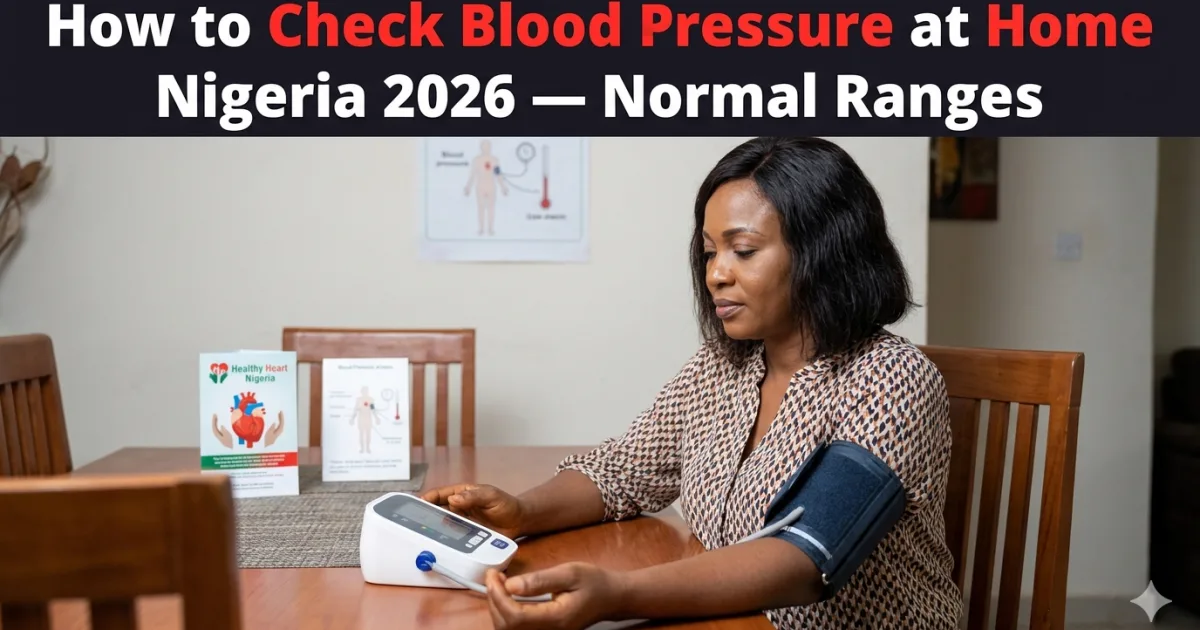
Hypertension (high blood pressure) is one of the most significant health challenges facing Nigerians today, affecting an estimated one in three Nigerian adults — many of whom are unaware they have the condition because it typically causes no noticeable symptoms until it has already caused organ damage. Regular blood pressure monitoring, whether at a clinic or at home with a digital monitor, is one of the simplest and most effective tools for catching hypertension early and managing it before it leads to serious complications like stroke, heart disease, or kidney damage. This guide explains how to check your blood pressure accurately at home, what the numbers mean, what counts as a normal range, and — most importantly — when home monitoring should prompt you to see a doctor rather than try to interpret the numbers yourself.
This article is for general health information only and is not a substitute for professional medical advice. Always consult a qualified doctor for diagnosis, treatment decisions, and management of your blood pressure.
What You Need to Check Blood Pressure at Home
A digital automatic blood pressure monitor with an upper-arm cuff is the recommended device for home use — these are widely available in Nigerian pharmacies, supermarkets, and online platforms (Jumia, Konga) for ₦8,000–₦35,000 depending on brand and features. Look for a monitor that has been validated by a recognised medical standards body — many reputable brands display validation certification on their packaging. Wrist-cuff monitors are generally less accurate than upper-arm monitors and are not recommended for routine home monitoring. Manual mercury or aneroid sphygmomanometers (the type with a stethoscope and inflatable cuff) require training to use accurately and are best left to trained healthcare workers — for home use, an automatic digital monitor is the practical and reliable choice.
How to Take an Accurate Blood Pressure Reading at Home
Accuracy depends heavily on following the correct procedure — many home readings are inaccurately high or low simply because of preparation mistakes. Follow these steps every time you measure:
- Rest for 5 minutes before measuring: Sit quietly without talking, scrolling your phone, or moving around. Physical activity, stress, and even talking can temporarily raise your reading
- Avoid caffeine, food, and smoking for 30 minutes beforehand: All three can temporarily elevate blood pressure readings and produce a falsely high result
- Empty your bladder first: A full bladder can raise systolic blood pressure readings by several points
- Sit correctly: Sit in a chair with your back supported, feet flat on the floor (not crossed), and your arm resting on a table at heart level
- Position the cuff correctly: Wrap the cuff around your bare upper arm (not over clothing), about 2cm above your elbow crease, following the monitor’s specific positioning markers
- Stay still and silent during measurement: Do not talk, move your arm, or look at your phone while the cuff is inflating and measuring
- Take two readings, one minute apart: Take a second reading after waiting one minute, and record the average of the two for the most reliable result
- Measure at the same time each day: For tracking trends over time, measure at consistent times — for example, every morning before breakfast and medication, and every evening before dinner
- Record your readings: Keep a written log or use your monitor’s memory function (most digital monitors store recent readings) so you and your doctor can review trends over weeks rather than relying on a single reading
Understanding Your Blood Pressure Numbers
A blood pressure reading shows two numbers, written as systolic over diastolic (for example, “120/80”). The systolic number (top, first) measures the pressure in your arteries when your heart beats and pumps blood. The diastolic number (bottom, second) measures the pressure in your arteries when your heart rests between beats. Both numbers matter for assessing your cardiovascular health.
| Category | Systolic (mmHg) | Diastolic (mmHg) | General Guidance |
|---|---|---|---|
| Normal | Less than 120 | Less than 80 | Maintain healthy lifestyle habits |
| Elevated | 120–129 | Less than 80 | Lifestyle changes recommended; monitor regularly |
| Hypertension Stage 1 | 130–139 | 80–89 | Discuss with a doctor; lifestyle changes and possibly medication |
| Hypertension Stage 2 | 140 or higher | 90 or higher | See a doctor — medication usually needed alongside lifestyle changes |
| Hypertensive Crisis | Higher than 180 | Higher than 120 | Seek emergency medical care immediately |
These categories are general guidance based on widely used international classifications. Your doctor may interpret your specific readings differently based on your full medical history, age, existing conditions, and other individual factors — these numbers are a starting reference, not a diagnostic substitute for professional medical evaluation.
When to See a Doctor About Your Blood Pressure
Home monitoring is a valuable tool, but it should always work alongside, not instead of, professional medical care. See a doctor promptly if:
- Your readings are consistently 130/80 or higher across multiple measurements over several days
- You have never had your blood pressure professionally checked and assessed by a doctor
- You experience any single reading above 180/120 — this requires urgent medical attention, not just monitoring
- You experience symptoms alongside an elevated reading such as severe headache, chest pain, difficulty breathing, vision changes, or confusion — seek emergency care immediately rather than waiting
- You have a family history of hypertension, stroke, or heart disease and have not yet discussed cardiovascular risk screening with a doctor
- You are already on blood pressure medication and your readings are not responding as expected, or you are experiencing side effects
- You are pregnant and notice elevated readings — this requires prompt medical evaluation given the risk of pre-eclampsia
If you experience a hypertensive crisis reading (above 180/120) together with symptoms like severe headache, chest pain, shortness of breath, or vision problems, this is a medical emergency — go to the nearest hospital emergency department immediately or call for emergency assistance. Do not wait to see if the reading improves on its own.
Why Hypertension Is a Major Health Concern in Nigeria
Hypertension is sometimes called a “silent killer” because it typically produces no symptoms in its early and intermediate stages, even as it gradually damages blood vessels, the heart, kidneys, and other organs. Many Nigerians only discover they have hypertension after experiencing a stroke, heart attack, or kidney problem — at a stage when significant damage has already occurred. This is why regular blood pressure checking, even when you feel completely well, is so important. Factors that increase hypertension risk in the Nigerian population include: a diet often high in salt (used extensively in Nigerian cooking for flavour and preservation); reduced physical activity associated with increasingly urban, sedentary lifestyles; rising obesity rates in urban areas; high levels of stress associated with economic pressures and demanding work environments; and genetic predisposition, as hypertension has a hereditary component that appears to affect populations of African descent at higher rates than some other populations globally.
Lifestyle Factors That Support Healthy Blood Pressure
Alongside any medical treatment your doctor may recommend, several evidence-based lifestyle factors are widely recognised as supporting healthy blood pressure. These should be discussed with your doctor as part of your overall management plan rather than used as a substitute for medical guidance, especially if you have already been diagnosed with hypertension:
- Reducing dietary salt: Nigerian cooking often uses significant salt and salt-based seasoning cubes. Gradually reducing salt intake and using herbs, spices, and natural flavour enhancers instead can support healthier blood pressure over time
- Regular physical activity: Consistent moderate exercise — such as brisk walking for 30 minutes most days — is associated with healthier blood pressure levels, when appropriate for your individual health status and approved by your doctor
- Maintaining a healthy weight: Excess body weight is associated with higher blood pressure; gradual, sustainable weight management supports overall cardiovascular health
- Limiting alcohol consumption: Excessive alcohol intake is associated with elevated blood pressure
- Managing stress: Chronic stress is associated with sustained blood pressure elevation; healthy stress management approaches such as adequate sleep, social support, and relaxation practices can be beneficial
- Taking prescribed medication consistently: If your doctor has prescribed blood pressure medication, taking it exactly as directed — not stopping when you feel fine, and not adjusting the dose yourself — is essential for effective long-term management
Common Mistakes That Lead to Inaccurate Home Readings
Several common errors can produce misleadingly high or low readings, potentially causing unnecessary worry or false reassurance:
- Wrong cuff size: A cuff that is too small for your arm will produce falsely high readings; a cuff too large produces falsely low readings. Most monitors come with a standard cuff that fits most adults, but if you have a larger or smaller arm, check whether a different cuff size is needed — many manufacturers sell additional cuff sizes separately
- Measuring immediately after activity: Climbing stairs, walking briskly, or any physical exertion immediately before measuring will produce an elevated reading that doesn’t reflect your resting blood pressure
- Talking during measurement: Conversations during the reading can raise the result by several points
- Crossed legs: Sitting with crossed legs can raise systolic blood pressure readings
- Measuring over clothing: The cuff should be placed on bare skin for accurate readings, not over a sleeve or thick clothing
- Relying on a single reading: Blood pressure naturally fluctuates throughout the day. A single high or low reading is less informative than a pattern of readings tracked over days or weeks
Where to Get a Free or Affordable Blood Pressure Check in Nigeria
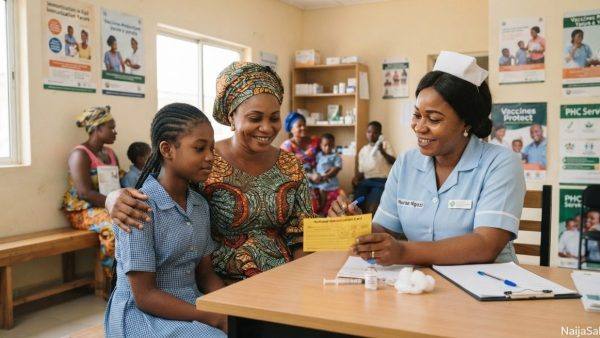
If you do not yet own a home monitor, several options exist for checking your blood pressure professionally in Nigeria: government primary healthcare centres typically offer free or very low-cost blood pressure checks as part of routine services; many pharmacies across Nigeria offer free blood pressure checks as a customer service, particularly larger pharmacy chains; community health outreach programmes and health awareness campaigns periodically offer free screening, often around World Hypertension Day (May 17 each year) and other health awareness periods; and your workplace may offer periodic health screenings as part of an employee wellness programme. Getting your blood pressure checked by a trained professional at least once is valuable even if you plan to monitor at home afterward, as it establishes a baseline and confirms your home monitor’s accuracy against a clinical measurement.
Frequently Asked Questions — Blood Pressure at Home Nigeria 2026
What is a normal blood pressure reading?
A normal blood pressure reading is generally considered to be below 120/80 mmHg. Readings between 120-129 systolic with diastolic under 80 are considered elevated. Readings of 130/80 or above may indicate hypertension and should be discussed with a doctor. These are general guidelines — your doctor can provide guidance specific to your individual health profile.
How often should I check my blood pressure at home?
If you have no known hypertension and your readings have been consistently normal, checking once a week or once a month is generally reasonable, though your doctor may recommend a specific frequency. If you have diagnosed hypertension or are at higher risk, your doctor will typically recommend daily monitoring, often morning and evening, to track how your blood pressure responds to lifestyle changes or medication.
Can I rely only on home blood pressure monitoring instead of seeing a doctor?
No — home monitoring is a valuable tool for tracking trends between doctor visits, but it should never replace professional medical evaluation. A doctor considers your blood pressure alongside your full medical history, other risk factors, and physical examination findings to make an accurate diagnosis and appropriate treatment plan. Always discuss your home readings with a qualified doctor, especially if you notice consistently elevated numbers.
❤️ Blood Pressure at Home Nigeria 2026 — Quick Reference
- Equipment: Digital upper-arm monitor (₦8,000–₦35,000) — avoid wrist monitors
- Before measuring: Rest 5 minutes; avoid caffeine, food, smoking for 30 minutes; empty bladder
- Normal range: Below 120/80 mmHg
- Elevated: 120-129/under 80
- Hypertension Stage 1: 130-139/80-89
- Hypertension Stage 2: 140+/90+
- Emergency (seek care now): Above 180/120, especially with symptoms
- Take 2 readings, 1 minute apart, record the average
- See a doctor if readings are consistently 130/80 or higher
- This guide is informational only — not a substitute for professional medical advice
This article provides general health information and is not a substitute for professional medical diagnosis or treatment. If you have concerns about your blood pressure or overall health, please consult a qualified doctor.
Also read: Best Private Hospitals in Abuja 2026 | TIN Registration Nigeria 2026 | How to Make Money Online Nigeria 2026
Choosing a Reliable Blood Pressure Monitor in Nigeria
Not all blood pressure monitors sold in Nigerian markets are equally reliable, and choosing a quality device matters for getting accurate readings you and your doctor can trust. When selecting a monitor, look for: clinical validation, which many reputable international brands display on their packaging or product information, indicating the device has been tested against accepted accuracy standards; an appropriately sized cuff for your arm circumference, as using the wrong cuff size is one of the most common sources of inaccurate readings; a simple, clear digital display that shows both systolic and diastolic numbers along with pulse rate; and a memory function that stores previous readings, which is useful for tracking trends over time and sharing data with your doctor during consultations. Purchase your monitor from a reputable pharmacy or established online retailer rather than informal markets where counterfeit or poorly calibrated devices may be sold. If possible, bring your home monitor to a clinic visit and compare its reading against a professional measurement taken at the same time — this simple check confirms whether your device is providing accurate readings you can trust for ongoing home monitoring.
Blood Pressure and Age: What Changes Over Time
Blood pressure tends to naturally rise somewhat with age as blood vessels gradually become less elastic over the decades. This is one reason why regular monitoring becomes increasingly important as Nigerians move through middle age and into their senior years. Younger adults in their twenties and thirties who maintain healthy lifestyle habits often have blood pressure comfortably within the normal range, but this can change with age, weight changes, stress levels, and family history factors. This does not mean rising blood pressure with age is simply something to be accepted without action — it means that consistent monitoring throughout adulthood, rather than only checking when symptoms appear, gives you and your doctor the information needed to intervene early if your readings begin trending upward. Nigerians in their forties and beyond, particularly those with a family history of hypertension, heart disease, diabetes, or stroke, should discuss a personalised monitoring schedule with their doctor rather than relying on irregular, infrequent checks.
Blood Pressure Monitoring for Specific Groups
Pregnant Women
Blood pressure monitoring is a routine and important part of antenatal care in Nigeria, as elevated blood pressure during pregnancy can indicate pre-eclampsia, a serious condition requiring prompt medical attention. Pregnant women should follow their antenatal care provider’s specific monitoring schedule and report any significantly elevated readings, along with symptoms like severe headache, vision changes, or swelling, to their healthcare provider immediately rather than waiting for a scheduled appointment.
People with Diabetes
Diabetes and hypertension frequently occur together and each condition can worsen the other’s complications, particularly for kidney and cardiovascular health. Nigerians managing diabetes should discuss an integrated monitoring approach with their doctor that tracks both blood glucose and blood pressure, as managing both conditions together typically produces better long-term health outcomes than addressing them separately.
Older Adults
Older Nigerians, particularly those with existing health conditions, should establish a regular monitoring routine in consultation with their doctor, who can advise on appropriate target ranges that account for individual health circumstances, since standard guidelines may be adjusted for some older patients based on their overall health profile and other medical considerations.
Understanding Your Pulse Reading
Most digital blood pressure monitors also display your pulse rate (heart rate) alongside the blood pressure numbers. A normal resting pulse rate for most healthy adults falls between 60 and 100 beats per minute, though this varies based on fitness level, age, and other individual factors — well-conditioned athletes, for example, often have resting pulse rates below 60 as a sign of cardiovascular fitness rather than a concern. If your pulse reading is consistently very high (above 100) or very low (below 60) at rest, particularly if accompanied by symptoms like dizziness, fatigue, or palpitations, discuss this with your doctor alongside your blood pressure readings, as pulse rate provides additional useful information about your cardiovascular health that complements the blood pressure numbers themselves.
Building a Sustainable Home Monitoring Habit
The value of home blood pressure monitoring comes primarily from consistency over time rather than any single reading. Building a sustainable habit makes the practice far more useful for both you and your doctor. Practical tips for maintaining a consistent monitoring routine include: keeping your monitor in an easily accessible location rather than packed away, which reduces the friction of remembering to use it; pairing your measurement with an existing daily habit, such as right after brushing your teeth in the morning, so it becomes automatic rather than something you have to remember separately; using your monitor’s built-in memory function or a simple notebook to record readings, including the date and time, so you build a meaningful history rather than isolated data points; and bringing your recorded readings to every doctor’s appointment, as this trend information is often more valuable to your doctor than the single reading taken during a brief clinic visit, which can sometimes be elevated simply due to the stress of being in a medical setting, a phenomenon doctors refer to as “white coat syndrome.”
The Connection Between Diet and Blood Pressure in Nigerian Cooking
Traditional Nigerian cuisine, while rich in flavour and cultural significance, often involves cooking methods and ingredients that can contribute to higher sodium intake than dietary guidelines generally recommend for cardiovascular health. Seasoning cubes, commonly used in soups, stews, and rice dishes across Nigerian households, are a significant source of sodium that many people underestimate when considering their salt intake. Smoked and dried fish, frequently used in Nigerian soups for flavour, also tend to be high in sodium due to the preservation process. Awareness of these dietary patterns does not mean abandoning traditional Nigerian cooking, but rather making informed adjustments where appropriate, such as gradually reducing the number of seasoning cubes used per pot, exploring fresh herbs and spices like ginger, garlic, and local peppers as flavour alternatives, and being mindful of portion sizes for naturally high-sodium ingredients. These dietary considerations should be discussed with a doctor or qualified nutritionist who can provide guidance tailored to your specific health needs and cultural food preferences, rather than following generic dietary advice that may not account for the full context of Nigerian eating patterns and nutritional needs.
Workplace and Community Blood Pressure Awareness in Nigeria
Growing awareness of hypertension as a major public health concern in Nigeria has led to expanding workplace wellness initiatives and community health programmes focused on blood pressure screening and education. Many larger Nigerian employers now incorporate periodic health screenings, including blood pressure checks, into their employee wellness programmes, recognising that early detection of hypertension among staff supports both individual health outcomes and overall workplace productivity. Community-based health initiatives, often organised around World Hypertension Day on May 17 each year and other health awareness campaigns throughout the year, provide opportunities for free or low-cost blood pressure screening, particularly valuable for Nigerians who may not otherwise have regular access to healthcare facilities. Religious institutions, including churches and mosques, have increasingly partnered with healthcare organisations to host community health days that include blood pressure screening alongside other basic health checks, reflecting a broader societal recognition that hypertension awareness and early detection require community-level engagement beyond individual clinic visits. Taking advantage of these community screening opportunities, particularly for Nigerians who have never had their blood pressure professionally checked, is a practical and accessible first step toward establishing a baseline understanding of your cardiovascular health.
What Your Doctor Will Want to Know From Your Home Readings
When you bring your home blood pressure log to a doctor’s appointment, certain information makes the data significantly more useful for clinical decision-making. Your doctor will generally find it helpful to see: the actual numbers recorded over time rather than just a verbal summary of how you have been feeling, since written records eliminate the recall bias that affects memory of past readings; the time of day each reading was taken, since blood pressure naturally varies between morning and evening; whether readings were taken before or after taking any prescribed medication, which helps assess medication effectiveness; any notable circumstances around unusual readings, such as a particularly stressful day, illness, or missed medication; and your pulse rate alongside each blood pressure reading, since this provides additional context about your cardiovascular status. Organising this information clearly, whether in a simple notebook or using your monitor’s digital memory function exported to a phone app if available, demonstrates engagement with your own health management and gives your doctor the detailed picture needed to make informed treatment recommendations rather than relying solely on the single reading taken during a brief clinic visit.
Maintaining Your Blood Pressure Monitor
Like any medical device, a home blood pressure monitor requires basic care to continue providing reliable readings over its lifespan. Store your monitor in a dry place away from direct sunlight and extreme temperatures, as heat and humidity can affect the internal electronics over time, particularly given Nigeria’s tropical climate. Replace the batteries promptly when the device indicates low battery, as inconsistent power can sometimes affect reading accuracy. Periodically inspect the cuff for any visible wear, tears, or damage to the tubing, replacing it if needed, since a damaged cuff can produce inaccurate readings or fail to inflate properly. If your monitor allows for recalibration or if the manufacturer recommends periodic professional calibration checks, following this guidance helps maintain long-term accuracy. Most home monitors have a useful life of several years with proper care, making the relatively modest upfront cost a worthwhile long-term investment in your ongoing health monitoring.
Final Thoughts on Home Blood Pressure Monitoring
Home blood pressure monitoring is a simple, accessible, and valuable practice for any Nigerian adult who wants to take a proactive role in understanding their cardiovascular health. The relatively modest cost of a quality digital monitor, combined with just a few minutes of consistent measurement following the correct procedure, can provide meaningful early warning of developing hypertension long before symptoms might otherwise prompt a medical visit. However, the most important message of this guide is that home monitoring works best as a complement to, never a replacement for, regular professional medical care. Establish a relationship with a doctor, get your blood pressure professionally checked and assessed regularly, share your home monitoring data during consultations, and always seek prompt medical attention for any concerning readings or symptoms rather than attempting to self-diagnose or self-treat based on numbers alone. Taking this balanced approach — informed self-monitoring paired with appropriate professional medical guidance — gives you the best chance of catching and managing any blood pressure concerns early, protecting your long-term health and reducing your risk of the serious complications that untreated hypertension can cause.
Whether you are managing a known condition, monitoring out of general health awareness, or simply curious about your numbers for the first time, the habit of regular blood pressure checking is one of the most accessible and effective preventive health practices available to every Nigerian household today, and it remains a small daily investment with potentially significant long-term protective value for your heart, kidneys, and overall wellbeing.
Talk to your doctor today about establishing a monitoring routine that fits your individual health needs and circumstances.
Small, consistent steps toward better health awareness can make a meaningful difference over time.
Prioritise your health, and seek professional guidance whenever you have questions or concerns.
Your wellbeing matters.
Make checking your blood pressure a regular part of your healthy living routine.
Early detection saves lives.
Take care of your heart.
Stay healthy, Nigeria.




0 Comments
No comments yet. Be the first to share your thoughts!