




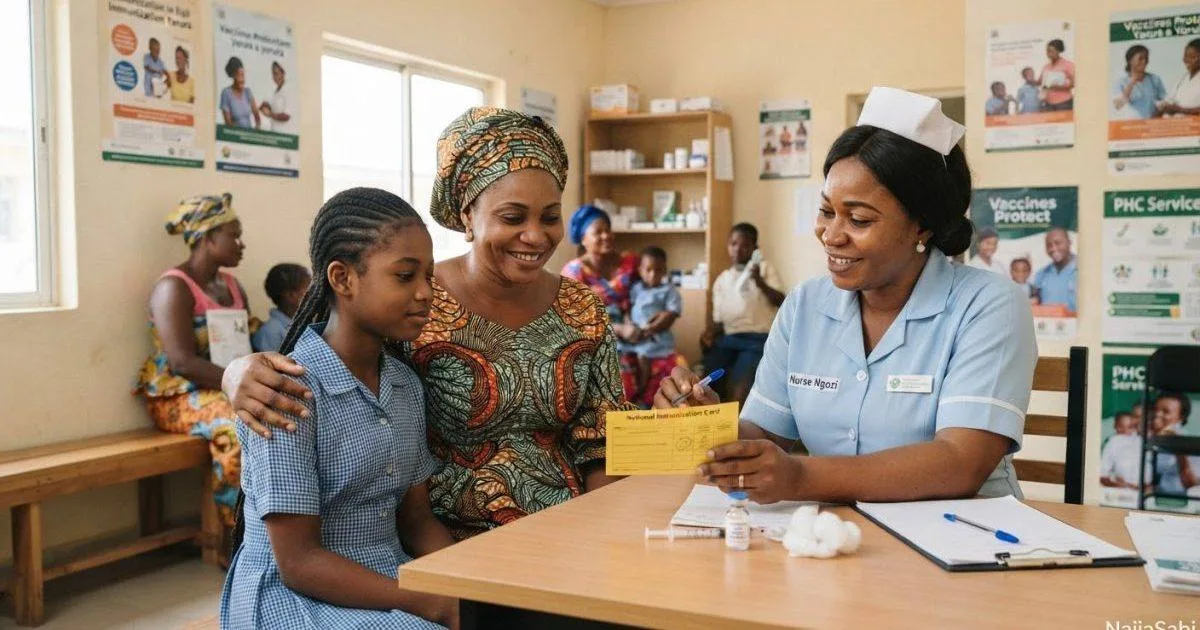
📌 Quick Summary: Hepatitis B is a viral infection of the liver, and Nigeria carries one of the heaviest burdens in the world: the Federal Ministry of Health said in July 2025 that more than 20 million Nigerians live with hepatitis B or C, including about 18.2 million with hepatitis B. Most people do not know they are infected because chronic hepatitis B can stay silent for years while it damages the liver. A simple blood test (HBsAg) tells you whether you are infected, and a safe, effective vaccine prevents it. Chronic hepatitis B is generally not curable, but it can be monitored and treated, so knowing your status early matters. Test once, vaccinate if you are not protected, and see a doctor for anything abnormal.
⚠️ Medical Disclaimer: This article is for general information only. It is not medical advice, a diagnosis or a substitute for care from a qualified doctor. Do not start, stop or change any treatment based on what you read here, and do not delay seeing a doctor. If you think you may have hepatitis B or have been exposed, see a doctor or visit a hospital in Nigeria.
Ask ten Nigerians whether they know their hepatitis B status and most will say no. Yet the virus is common here, spreads easily from mother to baby and through blood and body fluids, and can quietly lead to cirrhosis and liver cancer. The reassuring part is that it is easy to test for and, for most people, easy to prevent. This NaijaSabi guide explains how common it is, how it spreads, what the symptoms are, how to get tested and vaccinated, what the costs look like and what treatment involves.
| Fact | Detail |
| Burden (Federal Ministry of Health, July 2025) | Over 20 million Nigerians living with hepatitis B and C: 18.2 million with hepatitis B, 2.5 million with hepatitis C; Nigeria has the third-highest burden globally |
| Earlier survey (NAIIS 2018) | 8.1% of adults aged 15–64 (about 16 million) had hepatitis B; 1.1% (2.2 million) had hepatitis C |
| Deaths | 4,252 Nigerians die each year from liver cancer caused by untreated hepatitis (Federal Ministry of Health) |
| How it spreads | Blood, semen and vaginal fluids; from mother to baby at birth; unsafe injections or blood |
| Symptoms | Often none for years; some people develop yellow eyes, dark urine, tiredness, nausea or belly pain |
| Main test | HBsAg (hepatitis B surface antigen) blood test |
| Vaccine | Part of routine childhood vaccination in Nigeria; adults usually need three doses |
| Cure? | Acute infection in adults often clears on its own; chronic hepatitis B is generally not curable but is treatable |
How Common Is Hepatitis B in Nigeria?
Estimates differ by survey and year, but every one of them shows a very high burden. At the World Hepatitis Day briefing in July 2025, the Federal Ministry of Health said more than 20 million Nigerians are living with hepatitis B and C, with about 18.2 million affected by hepatitis B and 2.5 million by hepatitis C, making Nigeria’s burden the third-highest in the world. The ministry also said 4,252 Nigerians die each year from liver cancer caused by untreated hepatitis and reaffirmed a commitment to eliminate viral hepatitis by 2030.
The 2018 Nigeria HIV/AIDS Indicator and Impact Survey (NAIIS), cited by WHO Nigeria, found hepatitis B prevalence of 8.1% (about 16 million people) and hepatitis C of 1.1% (about 2.2 million) among adults aged 15 to 64. WHO Nigeria notes that many people only discover their status by chance, or when they are already ill, and that more than 90% of people living with hepatitis B and C in Africa lack the care they need.
What Is Hepatitis B and How Does It Spread?
Hepatitis means inflammation of the liver. There are five main hepatitis viruses (A, B, C, D and E), and of these, B and C are the ones that commonly cause chronic infection that can lead to cirrhosis (scarring of the liver) and liver cancer, according to Nigerian physicians quoted by the News Agency of Nigeria. Chronic hepatitis B is the world’s leading cause of cirrhosis or liver cancer, one of them said.
A Nigerian health expert quoted by BusinessDay says hepatitis B is commonly transmitted through body fluids such as blood, semen and vaginal secretions. In practice the main routes are:
- From mother to baby during pregnancy or birth. WHO Nigeria lists prevention of mother-to-child transmission among the five core areas of the national hepatitis response, and Nigerian physicians marking World Hepatitis Day have highlighted preventing hepatitis B among mothers and newborns.
- Sexual contact with an infected partner, which is why condoms and vaccination matter.
- Contact with infected blood — unsafe injections, shared needles, unsterile razors or tools, and unscreened blood. Blood and injection safety is another of the five core areas WHO Nigeria is supporting.
Hepatitis B is not spread by casual contact such as shaking hands, hugging or sharing a meal, so a person with the infection can live and eat normally with family.
Symptoms of Hepatitis B
The most important fact is that hepatitis B is often silent. Nigerian health reporting notes that hepatitis B and C are chronic infections that may not show symptoms for years or even decades, which is why late diagnosis is common. When symptoms do appear, they can include:
- Yellowing of the eyes or skin (jaundice)
- Dark, tea-coloured urine and pale stools
- Tiredness and weakness
- Nausea, vomiting or loss of appetite
- Pain or discomfort in the upper right belly
Because you cannot tell by how you feel, the only way to know your status is a blood test.
Who Should Get Tested?
Nigeria’s approach, as described by WHO Nigeria, includes guidelines recommending that any patient seeking treatment for any reason be screened for hepatitis, and some hospitals, such as Obafemi Awolowo University Teaching Hospital, screen all pregnant women for hepatitis B and C. You should especially ask for a test if you:
- Have never been tested, since many infected people have no symptoms
- Are pregnant or planning a pregnancy
- Have a partner, relative or household member with hepatitis B
- Have had a blood transfusion, surgery or injections in settings where safety was uncertain
- Work in healthcare or another job with exposure to blood
- Have unexplained tiredness, jaundice or liver problems
How Hepatitis B Testing Works — and What It Costs
The most widely used screening test is the hepatitis B surface antigen (HBsAg) test. It shows whether you currently have the virus. A positive result usually leads to further tests, such as a viral load (HBV DNA) test and liver tests, to see how active the infection is and whether treatment is needed. A fuller hepatitis B profile can also show whether you are immune from vaccination or past infection — ask your doctor which test answers your question rather than automatically choosing the most expensive one.
Prices vary enormously. Treat the figures below as indicative and call the lab first:
| Test | Reported price (Nigeria) | Source and note |
| HBsAg (surface antigen) | ₦34,500 | SynLab price listed through the GoDoctor app, updated June 2026 |
| HBsAg rapid screening | Roughly ₦3,000 to ₦12,000 | A 2026 cost guide’s range for different providers; older guides quote lower prices |
| Hepatitis B profile | ₦295,100 | SynLab price through GoDoctor, June 2026 |
| Viral load (HBV DNA) | Roughly ₦25,000 to ₦75,000 | A 2026 cost guide’s range; varies by lab and city |
The wide gaps reflect different labs, test types and cities. A cheaper rapid test at a government or community facility can be a good first step; a doctor can advise on confirmatory testing. Free testing is sometimes offered around World Hepatitis Day on 28 July and during community outreach, and one 2026 guide says some public hospitals offer free screening and birth-dose vaccination through government initiatives — ask your nearest facility what is available.
The Hepatitis B Vaccine in Nigeria
Hepatitis B is vaccine-preventable. WHO Nigeria says hepatitis B vaccination is included as part of routine vaccination for children at the national level. Health guides also recommend that babies receive a first dose within 24 hours of birth, followed by further doses during the routine immunisation schedule — ask your clinic or health centre for the exact dates for your baby.
For adults and older children who were never vaccinated, a Nigerian pharmacy’s guidance describes three doses: the second one month after the first and the third five months after the second. Your doctor will confirm the schedule that suits you. It is wise to get tested before vaccinating, so you know whether you are already infected or immune.
Cost: one Nigerian online pharmacy lists the adult vaccine from about ₦12,600 per dose in 2026, with brands such as Engerix-B, Euvax B and Genevac B mentioned. That is a retail price and clinic charges, which usually include administration, may differ. Children’s routine vaccination is available through immunisation services, so ask your nearest primary health centre.
Treatment: What Happens If You Test Positive
A positive result is not the end of the road. Most healthy adults who catch hepatitis B recover on their own from the acute infection, but a smaller proportion develop chronic infection, which is far more likely when infection happens at birth or in early childhood. For chronic hepatitis B:
- It is generally not curable but it is treatable. WHO Nigeria describes hepatitis B as preventable and treatable. Treatment aims to keep the virus under control and protect the liver.
- You need follow-up. A doctor, usually a physician, gastroenterologist or hepatologist, will check your liver and your viral load over time and decide whether you need antiviral medication.
- Regular monitoring matters, because untreated chronic hepatitis B can lead to cirrhosis and liver cancer.
- Do not rely on unproven “cures”. Herbal mixtures and spiritual “treatments” advertised for hepatitis can delay proper care and may harm the liver. Use qualified doctors and registered facilities.
- Cost and access. Hepatitis B treatment is not entirely free for adults in Nigeria, according to one 2026 cost guide, and advocates have called for free treatment similar to HIV. Ask your HMO or NHIA provider what they cover — see NaijaSabi’s guides to NHIS/NHIA registration and affordable HMO plans.
Hepatitis B in Pregnancy and Newborns
Passing hepatitis B to a baby at birth is one of the main ways the infection continues in Nigeria, which is why the national response includes prevention of mother-to-child transmission. If you are pregnant, ask for a hepatitis B test at antenatal care. If you test positive, your doctor can advise on steps to protect your baby, which generally include vaccinating the newborn promptly after birth. If you are planning a pregnancy, getting tested and vaccinated first is a sensible step.
How to Protect Yourself and Your Family
- Get tested once so you know your status, and encourage your partner and family to do the same.
- Get vaccinated if you are not immune. Make sure children complete their routine immunisations.
- Use condoms unless both partners are tested and vaccinated or immune.
- Avoid sharing razors, needles, toothbrushes, clippers or any item that may carry blood.
- Insist on sterile equipment at hospitals, clinics, barbers, salons and for tattoos or piercings, and use only screened blood for transfusions.
- Limit alcohol, which adds to liver damage, especially if you already have hepatitis.
When to See a Doctor in Nigeria
See a doctor at a government or private hospital as soon as you can if you:
- Have never been tested and are in any of the groups listed above
- Notice yellow eyes or skin, dark urine, pale stools, persistent tiredness, nausea or upper-right belly pain
- Have tested positive for hepatitis B and have not had follow-up tests or a specialist review
- Are pregnant, or planning to be, and do not know your status
- Have had contact with someone’s blood or sexual contact with a person who has hepatitis B
Go to a hospital urgently for swelling of the belly or legs, vomiting blood, black stools, confusion or severe drowsiness, or persistent severe vomiting — these can signal serious liver problems.
Frequently Asked Questions — Hepatitis B in Nigeria 2026
How common is hepatitis B in Nigeria?
Very common. The Federal Ministry of Health said in July 2025 that more than 20 million Nigerians live with hepatitis B and C, including about 18.2 million with hepatitis B, and that Nigeria has the third-highest burden globally. An earlier national survey (NAIIS 2018) found hepatitis B in 8.1% of adults aged 15 to 64. Estimates differ by survey and year, but all show a major public-health problem, and many people do not know they are infected.
What are the symptoms of hepatitis B?
Often there are none, and chronic hepatitis B can stay silent for years or even decades while it damages the liver. When symptoms appear they can include yellow eyes or skin, dark urine, pale stools, tiredness, nausea and pain in the upper right belly. Because you cannot rely on symptoms, the only way to know is a blood test such as the HBsAg test.
How much does a hepatitis B test cost in Nigeria?
Prices vary widely. A SynLab listing through the GoDoctor app showed the HBsAg test at ₦34,500 in June 2026, while a 2026 cost guide gave a range of roughly ₦3,000 to ₦12,000 for rapid screening depending on the provider. A viral load test is reported at roughly ₦25,000 to ₦75,000. Call the lab or facility first, and look for free or low-cost testing at public hospitals and community events, especially around World Hepatitis Day on 28 July.
Is there a hepatitis B vaccine in Nigeria and how much is it?
Yes. Hepatitis B vaccination is part of Nigeria’s routine childhood immunisation, per WHO Nigeria, and adults who were never vaccinated usually need three doses; a Nigerian pharmacy’s guidance describes the second dose one month after the first and the third five months after the second. One Nigerian online pharmacy lists the adult vaccine from about ₦12,600 per dose in 2026. Ask your doctor or health centre for the schedule and current clinic prices, and get tested first.
Can hepatitis B be cured?
Most healthy adults who catch hepatitis B clear the acute infection on their own. Chronic hepatitis B is generally not curable, but it is treatable: WHO Nigeria describes it as preventable and treatable, and doctors use monitoring and, when needed, antiviral medicines to control the virus and protect the liver. That is why testing early and keeping up follow-up care matters. Beware of herbal or spiritual “cures”, which can delay proper treatment.
Can I get hepatitis B from sharing food or shaking hands?
No. Hepatitis B spreads through blood, semen and vaginal fluids, from mother to baby at birth and through contaminated needles or blood, not through handshakes, hugs or sharing meals. Family members can live and eat with a person who has hepatitis B, but they should be tested and vaccinated if they are not protected, and should avoid sharing razors, toothbrushes or anything that may carry blood.
Sources
- Federal Ministry of Health and Social Welfare — World Hepatitis Day 2025 briefing, as reported by Nigerian media (Minister Muhammad Pate; 18.2 million hepatitis B, 2.5 million hepatitis C, 4,252 liver cancer deaths) — as reported by Nigerian media (shippingposition.com.ng)
- WHO Nigeria — Hepatitis can’t wait, know your status today (NAIIS 2018 prevalence) — afro.who.int
- WHO Nigeria — In Nigeria, boosting viral hepatitis awareness and treatment (routine vaccination, screening guidance, core intervention areas), via The Guardian Nigeria — guardian.ng
- News Agency of Nigeria — Hepatitis: Physicians call for increased awareness (hepatitis types; chronic B and C; liver cancer) — inclusivenews.com.ng
- BusinessDay — Hepatitis reporting quoting a Nigerian health expert on transmission and silent chronic infection — businessday.ng
- GoDoctor Nigeria — Hepatitis B Test Price in Nigeria (SynLab prices, updated June 2026) — godoctor.ng
- HubPharm Africa — Hepatitis B Vaccine (price and adult dose schedule) — hubpharmafrica.com
- HealthSoothe — Cost of Treating Hepatitis B in Nigeria (2026 cost ranges) — healthsoothe.com
Last updated: 12 October 2026 · NaijaSabi Health Desk. Prevalence estimates, test and vaccine prices, schedules and programme availability change — confirm with a qualified doctor and the facility concerned. This article is for general information only and is not medical advice. NaijaSabi is not affiliated with any government agency, laboratory, pharmacy or organisation mentioned.





0 Comments
No comments yet. Be the first to share your thoughts!