




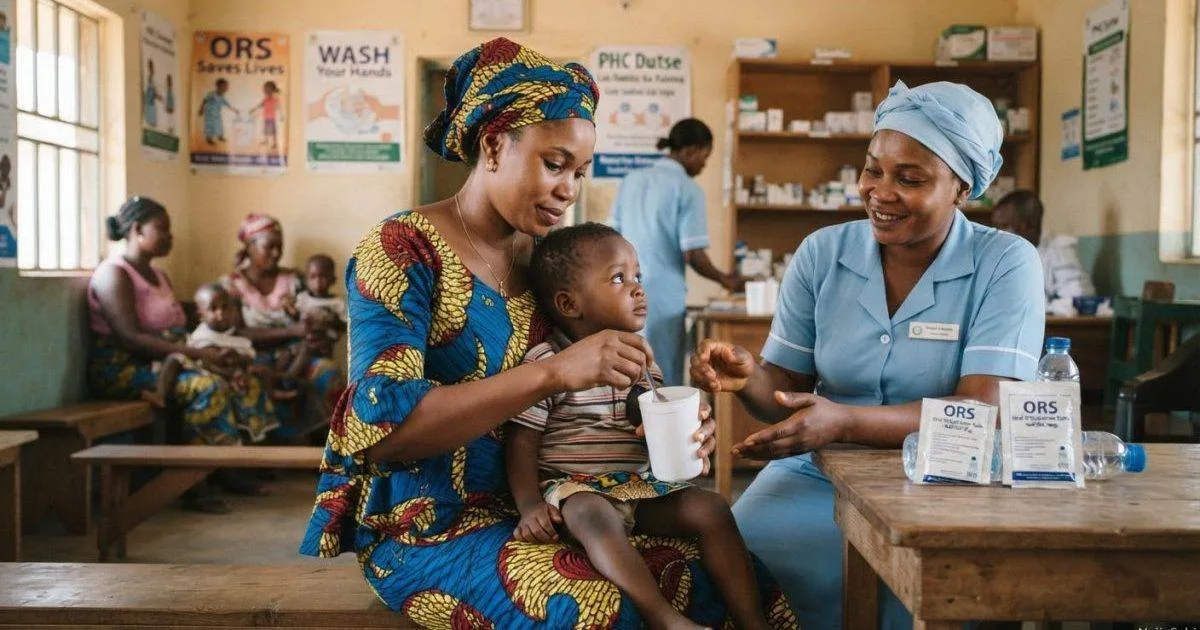
📌 Quick Summary: Cholera is a water- and food-borne disease caused by the bacterium Vibrio cholerae. In 2026, the Nigeria Centre for Disease Control and Prevention (NCDC) reported more than 65,000 suspected cases across 35 states and about 195 local government areas, with Borno State recording the most cases. At a late-August briefing, NCDC’s Director-General said weekly cases had dropped sharply from the peak and the death rate was lower than last year — but that the outbreak was not over, and that the ongoing rains and floods keep the risk high. The key symptom is sudden, profuse, painless watery diarrhoea (“rice-water” stools), with or without vomiting. Cholera kills by dehydration, so start oral rehydration salts (ORS) and get to the nearest hospital or primary health centre immediately.
⚠️ Medical Disclaimer: This article is for general information only. It is not medical advice, a diagnosis or a substitute for care from a qualified health worker. Cholera can become life-threatening within hours. If you or someone near you has sudden severe watery diarrhoea or vomiting, go to the nearest hospital or primary health centre straight away — do not wait to see whether it passes.
Every rainy season, Nigerians hear about cholera outbreaks — in Borno, in Bauchi, in Lagos communities, in riverine areas — and most of us have the same question: how do I know if it is cholera, and what do I do? The good news is that cholera is easy to prevent and, when treated early with rehydration, most people recover. The bad news is that it can kill quickly when treatment is delayed. This NaijaSabi guide explains where Nigeria stands in 2026, the symptoms to watch for, what to do at home and at the hospital, how to protect your household and when to seek help.
| Fact | Detail |
| Cause | The bacterium Vibrio cholerae, swallowed in contaminated water or food (NCDC) |
| Main symptom | Acute, profuse, painless watery diarrhoea of sudden onset (“rice-water” stools), with or without vomiting (NCDC) |
| 2026 suspected cases | More than 65,000 across 35 states and about 195 LGAs (NCDC, August 2026) |
| Worst-affected state in 2026 | Borno |
| Deaths | 357 deaths among 57,030 suspected cases (case fatality 0.6%) in a July–August 2026 UNICEF situation report that draws on NCDC data |
| Trend | Weekly cases down sharply from the 2026 peak; outbreak “not over” and rains still a risk (NCDC DG) |
| Key treatment | Rehydration — ORS at once, and urgent care at a health facility |
| Prevention | Safe drinking water, proper sanitation and waste disposal, hand-washing (NCDC) |
Where Nigeria Stands on Cholera in 2026
At a press briefing in Abuja in late August 2026, NCDC Director-General Dr Jide Idris said Nigeria had recorded more than 65,000 suspected cholera cases across 35 states and roughly 195 local government areas since the start of the year. He said Borno State, where the majority of cases occurred, had seen better outcomes where treatment was brought closer to affected communities. Weekly case numbers, he said, had fallen significantly from the peak earlier in the year, and the proportion of deaths among cases was lower than during the same period last year.
He also gave two warnings that matter for everyone. First, the outbreak had not been extinguished: ongoing rains were contaminating water sources and straining sanitation, which keeps the risk of fresh transmission high. Second, “virtually all states have cholera” in the sense that sporadic cases occur widely — he noted that Enugu was, for the moment, the only state without a reported case, but cautioned against reading that as proof cholera never occurs there. NCDC focuses its resources on hotspot states where cases reach outbreak levels.
A separate UNICEF situation report covering July and August 2026, drawing on NCDC data, put the toll at 57,030 suspected cases and 357 deaths (a case fatality rate of 0.6%) across 35 states and 183 LGAs, with Borno as the epicentre. The two sets of figures come from different reports and reporting dates, which is why the case counts differ. NCDC’s response in affected areas includes oral cholera vaccination in high-burden communities, water chlorination, rehabilitation of water sources, hygiene promotion and oral rehydration points.
Note: figures change as reports are updated. Check NCDC’s official channels (ncdc.gov.ng) for the latest numbers.
What Is Cholera and How Does It Spread?
NCDC describes cholera as a food- and water-borne disease caused by swallowing Vibrio cholerae in contaminated water or food. The bacteria leave an infected person’s body in faeces, so the disease spreads when human waste reaches drinking water, wells, streams, food or hands. Nigerian health officials link outbreaks to the following conditions:
- Unsafe drinking water — contaminated wells, boreholes, streams and untreated rainwater. A 2025 outbreak in Niger State was partly attributed to people drinking contaminated rainwater because they lacked access to safe water.
- Poor sanitation and open defecation. NCDC says open defecation is common in outbreak-affected communities, and Nigeria’s DG has named unsafe water, open defecation and weak sanitation as key drivers of persistent spread.
- Floods and heavy rain, which wash waste into water sources and overload drainage and sanitation.
- Crowded settings with weak hygiene, such as camps and densely packed communities.
- Caring for a sick person without hygiene. NCDC’s advisory highlights relatives who care for sick people with cholera at home, which is why hand-washing around a patient matters.
Children are among those mostly at risk, according to a Nigerian health official, and the July–August 2026 situation report counted 12,794 suspected cases in children.
Symptoms of Cholera — What to Look For
According to NCDC, cholera typically causes acute, profuse, painless watery diarrhoea of sudden onset — often described as “rice-water stools” — with or without vomiting. Other symptoms reported in Nigerian health commentary include nausea, severe vomiting, muscle cramps and rapid loss of body fluids and salts. Many infections are mild, but in severe cases the body can lose fluid so fast that a person becomes seriously dehydrated within hours.
Signs of dehydration to watch for, especially in children and older people, include extreme thirst, a dry mouth, very little or no urine, sunken eyes, unusual sleepiness or weakness, cold or clammy skin and rapid breathing. Any of these means the person needs urgent medical care, not home treatment alone.
What to Do If You or Someone at Home Has Watery Diarrhoea
- Start oral rehydration salts (ORS) immediately. Cholera kills mainly through loss of body fluids, so deaths are largely preventable when patients are rehydrated quickly. ORS sachets are sold at pharmacies and are usually available at primary health centres. Follow the instructions on the packet for mixing with clean, safe water and give small, frequent sips, including during travel to the hospital.
- Go to the nearest hospital or primary health centre now. Do not wait to see if it improves. During an earlier outbreak, Ogun State’s health commissioner urged residents with frequent vomiting and stooling to go to their local primary health centre, which had been equipped to handle outbreaks, and not to patronise quacks.
- Do not rely on herbal mixtures, “local” cures or unqualified sellers. They waste time that a dehydrated person does not have.
- Keep feeding and drinking. Babies should continue to breastfeed. Ask the health worker for guidance on food and fluids.
- Protect the household while you go for help. The person caring for the patient should wash their hands with soap and clean water after contact, after handling vomit or stool and before preparing food. Clean soiled clothes, bedding and surfaces carefully and dispose of waste safely away from water sources.
- Tell the health worker about any outbreak in your area, and report suspected clusters to your nearest health facility or your state or local government health department so that surveillance teams can respond. The same commissioner noted that a single confirmed case means an outbreak is already being dealt with.
How to Prevent Cholera — Protect Your Household
NCDC’s core advice is to ensure access to safe drinking water, proper sanitation and waste disposal, and good hygiene, including hand-washing. In everyday terms:
- Make drinking water safe. Use water from a protected source. If you are unsure of the source, boil it or treat it with chlorine tablets or solution according to the product’s instructions, and store it in a clean, covered container.
- Wash your hands with soap and clean water before eating or preparing food, after using the toilet and after cleaning a child.
- Use a toilet, not the bush or the gutter. Open defecation puts human waste into the environment and into the water supply for everyone.
- Handle food carefully. Cook food thoroughly, eat it while hot, keep it covered, and wash fruit and vegetables with safe water. Be cautious with raw or poorly handled street food and drinks of unknown water source during outbreaks.
- Be careful during and after floods. Flood water carries waste. Do not drink it, and avoid using it for cooking or washing food. Treat all water after flooding.
- Keep your surroundings clean. Dispose of refuse properly and keep drains clear.
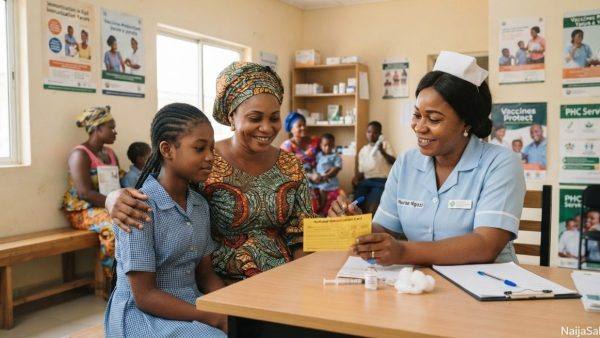
- Keep children’s routine immunisations up to date, as authorities have urged, because outbreaks of several diseases often occur at the same time.
Is There a Cholera Vaccine in Nigeria?
Yes — oral cholera vaccines (OCV) exist and are being used in Nigeria’s high-burden areas. NCDC says oral cholera vaccination has been implemented in hotspot communities in 2026. However, it is a targeted outbreak tool and not a routine shot for the general public: in a 2024 statement, Lagos State’s health commissioner said oral cholera vaccine was not included in the routine national immunisation programme, while acknowledging that it works and that vaccines would be brought in if cases surged. Because availability and policy can change, ask your state health ministry or NCDC about current vaccination in your area, and do not pay for unofficial doses. The vaccine does not replace safe water, sanitation and hand-washing.
Cholera, Typhoid or Food Poisoning — How Do They Differ?
Several illnesses cause stomach upset in Nigeria, and only a medical examination and tests can say which one it is. These typical differences may help you decide how urgent it is:
| Condition | Typical pattern | Key point |
| Cholera | Sudden, large-volume watery diarrhoea (“rice-water”), often painless, with or without vomiting | Dehydration can set in within hours — urgent care and ORS |
| Typhoid | Fever that builds over days, headache, tiredness, abdominal discomfort | Needs testing and a prescribed antibiotic — see NaijaSabi’s typhoid guide |
| Food poisoning | Vomiting and diarrhoea soon after a suspicious meal, often affecting several people who ate the same food | Often settles in a day or two, but see a doctor if it is severe — see NaijaSabi’s food poisoning guide |
Whatever you think it is, the rule for severe watery diarrhoea during an outbreak is the same: rehydrate and get to a health facility. NaijaSabi’s guide to common diseases in Nigeria gives a wider overview.
When to See a Doctor in Nigeria
Go to the nearest hospital or primary health centre immediately — do not wait — if you or someone else has:
- Sudden, heavy, watery diarrhoea, especially “rice-water” stools
- Repeated vomiting, or being unable to keep fluids down
- Signs of dehydration: intense thirst, dry mouth, sunken eyes, very little urine, unusual drowsiness or weakness, cold clammy skin
- Diarrhoea in a baby, young child, pregnant woman, older person or anyone with another serious illness — these groups can deteriorate fastest
- Several people in the same household, school, church or neighbourhood with the same symptoms
- Blood in the stool, high fever or severe stomach pain (these point to other conditions that also need urgent assessment)
Start ORS on the way. Health workers at government facilities are trained to manage cholera, and in outbreak areas treatment may be provided free of charge — in the 2025 Niger State outbreak, for example, the state said patients were being treated free. Ask at your local facility.
Frequently Asked Questions — Cholera in Nigeria 2026
What are the symptoms of cholera?
NCDC describes the key symptom as acute, profuse, painless watery diarrhoea of sudden onset — often called “rice-water” stools — with or without vomiting. Other signs include nausea, muscle cramps and quick loss of fluids, leading to dehydration. Dehydration signs include extreme thirst, dry mouth, sunken eyes, passing very little urine and unusual weakness or sleepiness. Because it can become dangerous within hours, anyone with sudden severe watery diarrhoea should start ORS and go to a health facility immediately.
How many cholera cases has Nigeria recorded in 2026?
At a briefing in Abuja in late August 2026, NCDC’s Director-General said Nigeria had recorded more than 65,000 suspected cholera cases across 35 states and about 195 local government areas since the start of the year, with Borno State having the highest number. Weekly cases had fallen sharply from the peak and the proportion of deaths was lower than last year, but the outbreak was not over. A July–August 2026 UNICEF situation report drawing on NCDC data listed 57,030 suspected cases and 357 deaths at that time. Check ncdc.gov.ng for the latest figures.
How do I treat cholera at home?
You should not rely on home treatment alone — cholera needs urgent care at a health facility. What you can do immediately is start oral rehydration salts (ORS) mixed with clean water according to the packet instructions, give small frequent sips, keep breastfeeding babies and head to the nearest hospital or primary health centre while continuing to give fluids. Do not use herbal mixtures or unqualified sellers as a substitute, and do not wait to see whether it passes. Wash hands thoroughly after caring for the patient.
How does cholera spread, and how can I avoid it?
It spreads when you swallow Vibrio cholerae in contaminated water or food, usually where human waste has reached drinking water or hands. NCDC’s core advice is safe drinking water, proper sanitation and waste disposal, and hand-washing. In practice that means boiling or treating water you are not sure about, washing hands with soap before eating and after the toilet, using a toilet rather than open defecation, cooking food thoroughly and keeping it covered, and avoiding flood water for drinking or washing food.
Is there a cholera vaccine in Nigeria?
Oral cholera vaccines exist, and NCDC says it has used them in high-burden areas in 2026. They are used in targeted outbreak responses rather than as a routine shot for everyone — in 2024, Lagos State’s health commissioner said the vaccine was not part of the routine national immunisation programme. Ask your state health ministry or NCDC about current availability, avoid paying for unofficial doses, and remember that the vaccine does not replace safe water, sanitation and hand-washing.
Which states in Nigeria have cholera?
In 2026, NCDC reported cases across 35 states, with Borno State recording the highest numbers. NCDC’s Director-General said that virtually all states have sporadic cholera and that Enugu was, at the time, the only state without a reported case, while NCDC concentrates resources on the hotspot states where cases reach outbreak levels. Because the situation changes with the rains, check NCDC and your state ministry of health for current alerts in your area rather than relying on an old list.
Sources
- Nigeria Centre for Disease Control and Prevention (NCDC) — Stop Cholera: Public Health Advisory (symptoms, transmission, prevention) — ncdc.gov.ng
- Premium Times — NCDC warns Nigerians as cholera cases surpass 65,000 in 2026 — premiumtimesng.com
- Tribune Online — Nigeria records over 65,000 suspected cholera cases across 35 states — NCDC — tribuneonlineng.com
- UNICEF Nigeria — Humanitarian Situation Report (Cholera Response), July–August 2026 — unicef.org
Last updated: 12 October 2026 · NaijaSabi Health Desk. Outbreak figures, state alerts and vaccine availability change quickly — check the NCDC (ncdc.gov.ng) and your state ministry of health for the latest. This article is for general information only and is not medical advice. NaijaSabi is not affiliated with the NCDC, any government agency or any organisation mentioned.


0 Comments
No comments yet. Be the first to share your thoughts!