





Quietly, on 26 June 2026, President Tinubu signed the most consequential identity law in Nigeria’s modern history. The NIMC Act 2026 repeals the 2007 framework that governed the National Identification Number for nearly two decades and replaces it with something far more muscular: the NIN as Nigeria’s sole foundational means of identification, backed by statute, wired into passports, banking, land, telecoms and voting — and enforced with jail terms and multi-million-naira fines for identity offences.
With over 136 million Nigerians and legal residents already enrolled, this law touches essentially everyone — including the diaspora, who get their own provisions. Here’s what actually changed, in plain language, and the practical steps to take so the new regime works for you rather than against you.
📌 The quick version: the NIMC Act 2026 (signed 26 June, replacing the 2007 Act) establishes the NIN as Nigeria’s single foundational ID under a “One Person, One Identity” policy — legally mandatory for passports, voter registration, opening and operating bank accounts, land transactions, SIM/telecom services, pensions and tax. NIMC becomes the Root Certification Authority for Nigeria’s digital infrastructure (the trust layer behind digital signatures and secure online transactions), and the law finally moves past the plastic-card era toward digital credentials — verification by mobile device, biometrics and QR codes. Your data gets stronger protection (full alignment with the Nigeria Data Protection Act: consent-first access to your records), and enforcement gets teeth: unauthorised access to identity records carries a minimum five-year jail term, identity offences attract fines up to ₦20 million, and fraudulent enrolments risk seven-year sentences. Diaspora Nigerians are promised expanded overseas enrolment via accredited partners, embassies and consulates. What to do now: confirm your NIN details exactly match your other documents (mismatches will lock you out of services), link your NIN to your bank accounts and SIMs, set up the official NIMC MobileID app, fix any errors early through official channels only — and never pay “agents” for services that are free.
Why the Law Changed (And Why Now)
The 2007 Act was written for a paper era. Since then, the NIN became mandatory for SIM registration, passports, bank accounts and voter registration — but the legal framework underneath never caught up with the digital reality: no provisions for digital credentials, weak cybersecurity obligations, and no clear rules for how private companies should handle NIN-linked data. Meanwhile the threats matured — identity theft, fraudulent registrations, phishing of biometric data, and rogue enrolment agents registering non-Nigerians for money. The 2026 Act is the catch-up: a single statute that makes the NIN the backbone of the digital economy and gives NIMC the legal power to defend it.
Change #1: One Person, One Identity — the NIN Becomes THE ID
The headline shift: the NIN is now Nigeria’s sole recognised foundational means of identification, elevated above voter’s cards, utility bills and every fragmented alternative. Under the Act, a verified NIN is legally required for passport applications and renewals, voter registration, opening and operating bank accounts and consumer credit, land registration and property transactions, telecom services, pension services and tax payments. This mostly formalises what practice already demanded — but with a crucial difference: it’s now statute, not administrative guideline, which means a missing or mismatched NIN locks you out with no room for informal workarounds. Government databases are also mandated to integrate around the NIN, so ministries, banks and telcos can verify you against one record — the practical promise being fewer repeated biometric captures every time you need a new service, and faster bank KYC.
Change #2: Goodbye Plastic-Card Era, Hello Digital Credentials
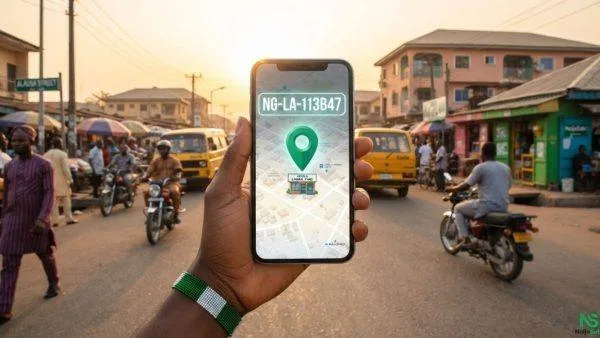
If you’ve waited years for the physical General Multi-Purpose Card that never arrived, the new law quietly explains why it stopped mattering. The Act adopts a technology-neutral framework: your identity is increasingly verified through mobile devices, biometric verification, QR codes and secure digital credentials rather than a piece of plastic. This is where the official NIMC MobileID app becomes essential infrastructure — your verified digital NIN slip, refreshable and forgery-resistant, accepted for SIM, banking and identity checks. A future multipurpose smart card remains on the roadmap, but the direction of travel is unmistakable: your phone is becoming your ID.
Change #3: NIMC Becomes Nigeria’s Digital Trust Anchor
The most technical change is arguably the biggest: NIMC is now designated the Root Certification Authority for Nigeria’s Public Key Infrastructure (PKI) and Digital Public Infrastructure (DPI). In practice, NIMC now controls the digital “keys” that make online transactions trustworthy — the certificates and authentication systems behind digital signatures, secure online banking, e-government services and verified electronic documents. For ordinary Nigerians, the payoff arrives gradually: online transactions and e-signatures that can prove the person approving them is genuinely who they claim, cutting fraud out of digital life at the root.
Change #4: Real Data Protection — With Real Punishments
The 2007 law said almost nothing about what happens to your data after collection. The 2026 Act fixes that by binding NIMC fully to the Nigeria Data Protection Act: a consent-first framework where third parties generally need your approval before accessing your records in the National Identity Database (with narrow exceptions for court orders, criminal investigations and defined public-interest cases), plus an obligation on NIMC to explain how your data is collected, stored and shared.
Then come the teeth. Unauthorised access to identity records: minimum five years’ imprisonment. Identity offences — unauthorised access, multiple enrolment, impersonation — carry fines up to ₦20 million for individuals, with corporate penalties starting higher. NIMC itself gains investigative powers: with court approval it can search, seize evidence and prosecute illegal enrolment centres, fraud syndicates and data traffickers — and the ICPC has separately warned enrolment partners that fraudulent registrations (including registering non-Nigerians) attract seven-year jail terms. The era of casual identity fraud just got expensive.
Change #5: The Diaspora Finally Gets a Real Path
Nigerians abroad have long suffered the NIN bottleneck — scarce enrolment centres, clunky third-party arrangements, long waits — which then blocked passport renewals. The Act directly addresses this with statutory backing for expanded international infrastructure: more certified overseas enrolment centres through accredited global partners, and identity services routed through Nigerian embassies and consulates, with an explicit promise of “wider, easier and more convenient access wherever you are in the world.” Rollout will take time, but the legal roadblocks are cleared — and because the NIN now gates passports, banking and land transactions back home, diaspora Nigerians should treat sorting their NIN (and fixing any name/date mismatches) as urgent, not someday. The law also mandates special enrolment systems for vulnerable and underserved groups, including people without permanent addresses — a genuine inclusion win.
What You Should Actually Do Now (Home or Abroad)
Turn the law into a personal checklist. 1) Verify your NIN details — check that your name, date of birth and other records exactly match your passport, BVN and bank records; under a statute-backed system, mismatches escalate from annoyance to lockout, and corrections are easier now than mid-transaction. 2) Link everything — confirm your NIN is properly linked to your SIMs and bank accounts. 3) Go digital — set up the official NIMC MobileID app so your verified NIN travels with you. 4) Fix errors through official channels only — NIMC centres and the official portal (nimc.gov.ng); modification of records follows set procedures. 5) Guard your NIN like a bank PIN — under the new integration, it’s the key to your financial and legal life; share it only for legitimate verification, and remember the app generates verifiable IDs precisely so screenshots and photocopies can’t be abused. 6) Never pay “agents” — enrolment and the NIN itself are free; anyone selling shortcuts is now committing an offence with serious jail exposure, and so, potentially, are you. 7) Diaspora: watch your embassy/consulate announcements for the expanded enrolment rollout and get ahead of your next passport renewal.
FAQ: NIMC Act 2026
1. What is the NIMC Act 2026?
A new law signed on 26 June 2026 that repeals the 2007 Act and rebuilds Nigeria’s identity framework around the NIN as the sole foundational ID — with digital credentials, stronger data protection and tough penalties for identity offences.
2. Which services now legally require a NIN?
Passports (applications and renewals), voter registration, opening and operating bank accounts and consumer credit, land and property transactions, telecom/SIM services, pensions and tax payments.
3. Does my old NIN still work?
Yes — your existing NIN remains valid; the law elevates its status rather than replacing it. Over 136 million people are already enrolled. What matters now is that your details are accurate and properly linked.
4. What happens if my NIN details don’t match my other documents?
Mismatches (name spellings, dates of birth) can block passports, banking and other gated services with little room for workarounds. Correct errors through official NIMC channels before you need the service urgently.
5. Is the plastic ID card dead?
Effectively, as the priority: the Act embraces digital verification (mobile, biometrics, QR codes) over physical cards, with a multipurpose smart card still planned. The NIMC MobileID app is the practical replacement today.
6. What are the new penalties?
Unauthorised access to identity records: minimum five years’ imprisonment. Identity offences carry fines up to ₦20 million for individuals; fraudulent enrolments risk seven-year terms; corporate violations attract higher penalties.
7. How does the law protect my data?
Full alignment with the Nigeria Data Protection Act: consent-first access to your records, purpose limitation (data can’t be reused beyond what you consented to), and disclosure obligations on NIMC — with legal exceptions only via court orders, investigations and defined public-interest grounds.
8. What changes for Nigerians abroad?
Statutory backing for expanded overseas enrolment — accredited international partners, more certified centres, and services through embassies and consulates. Rollout is ongoing; diaspora Nigerians should sort and verify their NIN ahead of passport renewals.
9. Will I still have to give my fingerprints everywhere?
The goal is no: agencies, banks and telcos are mandated to verify against your existing NIN record through integrated databases, reducing repeated biometric capture. Expect the convenience to arrive progressively as integration matures.
10. How do I avoid NIN scams under the new law?
Use only official NIMC centres, the official portal and the official MobileID app. Enrolment is free — anyone charging for registration, “fast-tracking” or corrections outside official fees is committing an offence the new law punishes severely.
The Bottom Line
The NIMC Act 2026 is the moment Nigeria’s identity system grew up: one NIN, legally supreme, digitally verified, protecting your data with consent rules and punishing its abuse with prison. For 136 million enrolled Nigerians, nothing needs to be re-registered — but everything needs to be right: matching details, linked accounts, the official app on your phone, and zero tolerance for unofficial agents.
Do the 15-minute audit now — verify, link, digitise, correct — and the new regime becomes what it promises: faster KYC, fewer fingerprint queues, a passport process that stops fighting itself, and an identity that finally works as hard as you do. Ignore it, and the same law that empowers the prepared will quietly lock out the careless. The NIN is now the key to Nigerian life; make sure yours turns smoothly.
Related reading on NaijaSabi:
- Best Apps Every Nigerian Should Have in 2026 — including setting up the official NIMC MobileID app
- Nigerian Passport Renewal 2026 — the process your verified NIN now unlocks
- INEC PVC and Voter Registration 2026 — NIN-gated voter registration ahead of the 2027 elections
Editorial standards. This article is independently researched and compiled from official statements and reputable Nigerian reporting on the newly signed NIMC Act 2026. Implementation details (regulations, timelines, enforcement practice) are still rolling out and may be refined by NIMC guidance — always confirm requirements through official NIMC channels (nimc.gov.ng) before acting. NIN enrolment is free; never pay unofficial agents. If you spot an error or have a correction, please write to editorial@naijasabi.com.ng.
Last reviewed and updated: 27 August 2026 · NaijaSabi Civic Desk.




0 Comments
No comments yet. Be the first to share your thoughts!