



📌 Quick Summary: Nigerian beans dishes include three distinct preparations: ewa agoyin (Lagos street food — very soft mashed beans with a fiery, smoky dried pepper sauce), beans porridge (the everyday home version with palm oil, vegetables and seasoning), and honey beans (sweeter, softer variety with a natural creamier flavour). All start with soaked black-eyed peas or brown beans cooked until very soft. The ewa agoyin sauce — made with dried tatashe, dried tomatoes, dried atarodo, and palm oil — is the most distinctive and most searched element. This complete guide covers all three recipes, the iconic agoyin sauce, how to cook beans fast in Nigeria, and why your beans are never soft.
Beans is one of Nigeria’s most democratising foods. It is eaten from Maiduguri to Lagos, from government houses to roadside bukas, in universities and in markets. It is affordable, deeply nutritious, and — when cooked correctly — genuinely delicious. The three versions covered in this guide represent the range of Nigerian bean cooking: ewa agoyin, the Lagos street food institution that has its own devoted following and its own distinctive sauce that is arguably more famous than the beans themselves; beans porridge, the everyday home dish that most Nigerians grew up eating; and honey beans, the sweeter, creamier variety that has a slightly different cooking approach and a distinctive flavour that needs no heavy sauce to shine.
Understanding Nigerian Beans Varieties
| Bean Type | Local Name | Characteristics | Best Used For |
| Black-eyed peas | Ewa in Yoruba, Agwa in Igbo | Cream-coloured with black eye mark. Most widely available. Slightly earthy flavour. | All three preparations. Standard everyday bean. |
| Honey beans | Oloyin in Yoruba | Smaller, darker brown. Naturally sweeter and creamier. Higher natural sugar content. | Best for honey beans dish and beans porridge. Not ideal for ewa agoyin (sauce can overpower the natural sweetness). |
| Brown beans | Ewa Oloyin, Iron beans | Reddish-brown. Richer, more complex flavour. Takes slightly longer to cook. | Moi moi, beans porridge, ewa agoyin. |
How to Cook Beans Fast in Nigeria — The Pressure Cooker vs Pot Method
Nigerian beans have a reputation for taking forever to cook. The reason is hard water — the mineral content in many Nigerian borehole and tap water supplies prevents beans from softening efficiently. Four techniques speed up the process significantly. First: soak overnight — 8 to 12 hours of soaking reduces cooking time by 30 to 40 percent. Second: use a pressure cooker — beans that take 60 to 90 minutes in a regular pot cook in 20 to 25 minutes under pressure. Third: add a small piece of potash (kanwu) or a pinch of baking soda to the cooking water — the alkaline environment softens bean skins faster. Add just a tiny pinch — too much affects flavour. Fourth: do not add salt, tomatoes, or acid (lime, vinegar) until the beans are fully soft — salt and acid prevent beans from softening. Season only after the beans have reached the desired softness.
Recipe 1: Ewa Agoyin — Lagos Street Beans
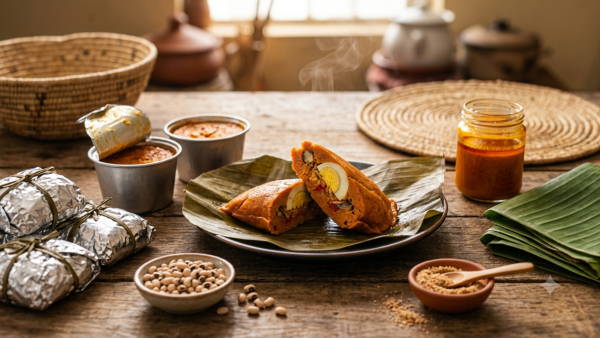
Ewa agoyin (pronounced eh-wah ah-GOH-yin) is one of Lagos’s most iconic street foods — soft, almost mashed beans served with a dark, intensely spiced dried pepper sauce. The dish takes its name from the Agoyin people of Benin Republic who brought the recipe to Lagos and dominated the street food trade for decades. The beans themselves are cooked until very, very soft — far softer than regular beans porridge. The sauce is the soul of the dish.
Ewa Agoyin Beans Ingredients
| Black-eyed peas or brown beans (dry) | 2 cups | Soaked overnight |
| Water | Enough to cover generously | |
| Salt | To taste — added only when beans are fully soft | |
| Onion (optional) | Half, roughly chopped | Added to cooking water for background flavour |
Ewa Agoyin Beans Method
Drain the soaked beans. Cover with fresh water — generously, at least 5cm above the bean level. Add the optional onion. Bring to a boil, reduce heat to medium, and cook until the beans are very, very soft — they should crush effortlessly when pressed between your fingers with almost no resistance. This takes 60 to 90 minutes in a regular pot (20 to 25 minutes in a pressure cooker). Do not rush this step — the signature texture of ewa agoyin is its softness, verging on mashed. Once soft, drain off most of the excess cooking water, leaving just enough to keep the beans moist. Roughly mash about a third of the beans with a wooden spoon — leaving the rest whole — to create the characteristic partly-mashed, partly-whole texture of ewa agoyin. Add salt and stir to combine.
The Ewa Agoyin Sauce — The Most Important Part
The agoyin sauce is what makes this dish legendary. It is made from dried peppers — dried tatashe (red bell pepper), dried tomatoes, and dried atarodo (scotch bonnet) — fried in a very generous amount of palm oil with onion, crayfish, and locust beans until deeply caramelised and almost black. The long frying produces a sauce that is simultaneously sweet (from the caramelised peppers), smoky, and intensely hot.
Agoyin Sauce Ingredients
| Dried red bell pepper (tatashe) | 6 to 8 pieces | Buy dried — not fresh. The dried version is essential for the caramelised, concentrated flavour. |
| Dried tomatoes | 4 to 5 pieces | Dried — available in Nigerian markets |
| Dried scotch bonnet (atarodo) | 3 to 4 pieces (adjust to heat preference) | Dried — not fresh |
| Palm oil | ½ cup (120ml) | The generous palm oil quantity is not optional — it is what carries and preserves the sauce |
| Onion | 1 large, sliced | |
| Ground crayfish | 2 tablespoons | |
| Iru (locust beans) | 1 tablespoon | Traditional and important for depth |
| Seasoning cube | 1 | |
| Salt | To taste |
Agoyin Sauce Method
- Soak the dried peppers in warm water for 30 minutes to rehydrate slightly. Drain and blend roughly — not too smooth. Some texture is correct for agoyin sauce.
- Heat the palm oil in a pan over medium heat. Add the sliced onion and fry until deep brown and caramelised — 10 to 15 minutes. Do not rush this step.
- Add the iru and fry for 1 minute. Add the blended pepper mixture. It will sizzle intensely.
- Fry on medium heat, stirring frequently, for 20 to 30 minutes. The sauce will gradually darken from red to a deep, almost blackened colour. This long frying is essential — under-fried agoyin sauce tastes raw and harsh. Over-fried is actually closer to traditional than under-fried.
- Add crayfish, seasoning cube, and salt. Stir and cook for 5 more minutes. The finished sauce should be dark, oily, and intensely fragrant. Serve over the partly-mashed beans.
Recipe 2: Beans Porridge (Everyday Home Version)
Beans porridge is the everyday Nigerian bean dish — less ceremonial than ewa agoyin, more quickly made, and deeply satisfying. It uses palm oil and fresh peppers rather than the dried pepper sauce of agoyin, and is served as a complete meal rather than street food.
Ingredients
| Black-eyed peas or brown beans | 2 cups, soaked | |
| Palm oil | 3 tablespoons | |
| Onion | 1, chopped | |
| Scotch bonnet and fresh tomato | 2 scotch bonnet + 2 tomatoes, blended | |
| Ground crayfish | 2 tablespoons | |
| Ugwu or spinach (optional) | 1 cup, chopped | Added at end |
| Seasoning cubes | 2 | |
| Salt | To taste |
Method
Cook soaked beans in fresh water until about 70 percent soft. Drain off most water. Add palm oil, blended tomato and pepper, onion, crayfish, and seasoning cubes. Stir to combine. Cook over medium heat for 15 to 20 minutes, stirring occasionally, until beans are fully soft and the sauce has thickened and reduced into the beans. Add leafy vegetables in the last 3 minutes. Season to taste. Serve as a main dish with Fried Plantain, bread, or boiled yam.
Recipe 3: Honey Beans
Honey beans (oloyin) are smaller, sweeter, and creamier than standard black-eyed peas. They require minimal sauce because their natural sweetness and creaminess is the point. The simplest and most beloved preparation is beans cooked until very soft with minimal additions — palm oil, crayfish, seasoning, and sliced onion — allowing the natural flavour of the oloyin bean to come through. Cook exactly as beans porridge above but reduce the pepper quantity and do not add tomato — a simple palm oil and crayfish seasoning lets the honey bean flavour shine.
Common Mistakes
1. Adding Salt Before Beans Are Soft
Salt prevents beans from softening. Always wait until beans are fully soft before adding salt or any acidic ingredient.
2. Under-Frying the Agoyin Sauce
The iconic dark colour and deep flavour of agoyin sauce requires a minimum of 20 to 30 minutes of frying. Pale, lightly fried sauce is not agoyin sauce — it is just pepper sauce.
3. Not Soaking the Beans
Unsoaked beans take 60 to 90 minutes longer to cook and never achieve the same softness as properly soaked beans. Soak overnight as a non-negotiable first step.
Frequently Asked Questions
How long does it take to cook Nigerian beans?
Soaked beans: 45 to 60 minutes in a regular pot; 20 to 25 minutes in a pressure cooker. Unsoaked beans: 90 to 120 minutes. Always soak overnight for best results and fastest cooking.
What is ewa agoyin?
Ewa agoyin is a Lagos street food of very soft, partly mashed cooked beans served with a dark, intensely spiced sauce made from dried and caramelised peppers in palm oil. The dish originates from the Agoyin people of Benin Republic.
What is the difference between honey beans and regular beans?
Honey beans (oloyin) are a smaller, darker, naturally sweeter and creamier variety of Nigerian beans. They have a higher natural sugar content and a richer, more complex flavour than standard black-eyed peas. They are best eaten with minimal sauce to allow their natural flavour to come through.
Why are my beans not getting soft?
Hard water, insufficient soaking, or salt added too early are the three most common causes. Soak overnight, add a small pinch of baking soda or potash to the cooking water, and do not add salt until the beans are already soft.
Sources
- Original recipe — NaijaSabi Lifestyle Desk, September 2026
- Nigerian culinary tradition — ewa agoyin, beans porridge and honey beans preparation documented across Yoruba, Igbo and Hausa cooking practices
Last updated: 7 September 2026 · NaijaSabi Lifestyle Desk.
Beans as a Business: Selling Ewa Agoyin in Nigeria
Ewa agoyin is one of Nigeria’s most commercially durable street food businesses. The ingredients are cheap, the product is beloved, and the market is consistent — Nigerians eat beans for breakfast and lunch across all income levels. An ewa agoyin seller working from a fixed stall near a bus stop, school, or market produces and sells approximately 50 to 100 portions daily at ₦200 to ₦500 per portion, generating ₦10,000 to ₦50,000 daily revenue. The business model is characterised by extremely low ingredient costs (beans, palm oil, dried peppers, and crayfish cost approximately ₦3,000 to ₦5,000 per 50-portion batch), minimal equipment (a large pot, a gas cooker, a portable table, and a serving setup), and no cold chain requirement — unlike meat-based dishes, beans can be held at serving temperature for several hours without safety issues. The primary differentiator in the ewa agoyin business is the sauce: sellers who have perfected the dark, deeply caramelised agoyin sauce build a repeat customer base that returns specifically for their sauce, not just for beans. The sauce recipe is guarded closely by successful agoyin sellers — developing your own signature version that is darker, more complex, or uniquely spiced than the competition is the competitive advantage that separates the most successful ewa agoyin businesses from the rest. Starting capital: as low as ₦15,000 to ₦25,000 for ingredients, portable gas setup, and basic serving equipment. This makes ewa agoyin one of the most accessible food business entry points in Nigeria. That accessibility — very low startup capital, universally familiar product, consistent daily demand, and a sauce-driven competitive advantage that rewards skill without requiring expensive equipment — makes ewa agoyin one of the most recommended entry-level food businesses for Nigerians looking to start earning from cooking with minimal initial investment.

0 Comments
No comments yet. Be the first to share your thoughts!