




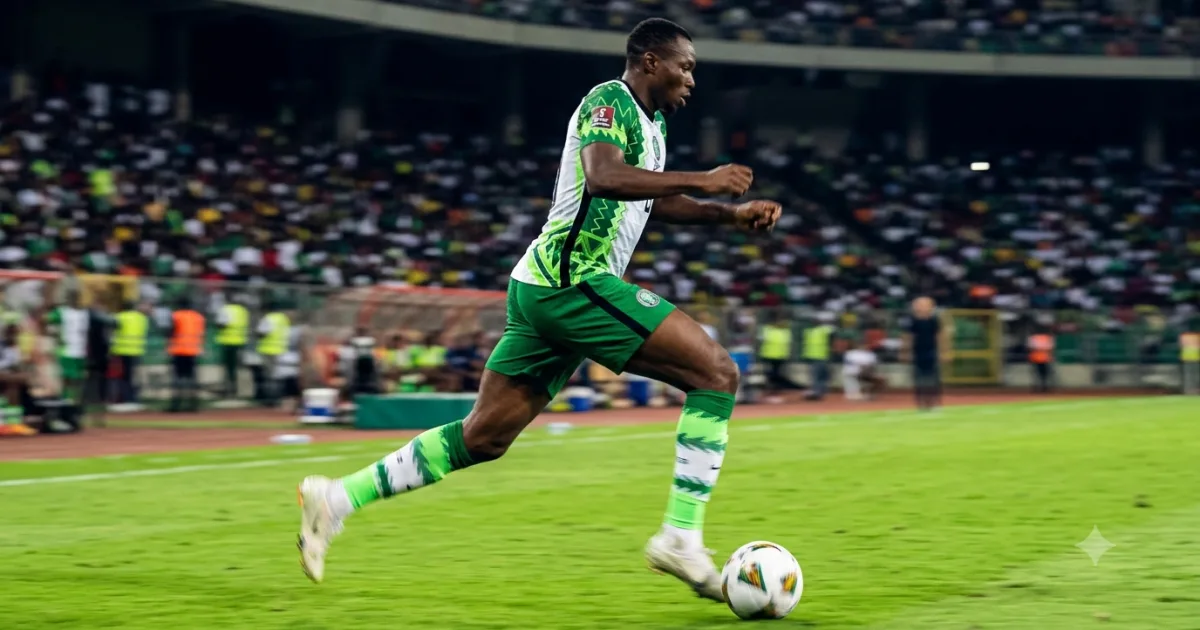
📌 Quick Summary: The Super Eagles have missed the 2026 FIFA World Cup but AFCON 2027 qualification is already underway. This is the complete guide to Nigeria’s AFCON 2027 campaign — the qualifying group, fixtures, squad, what to expect, and why 2027 must be different.
The 2026 FIFA World Cup came and went without the Super Eagles. For the second consecutive tournament, Nigeria’s most talented generation of footballers watched from home while DR Congo, Senegal, Morocco, and South Africa carried the African flag in North America. The pain of that absence — and the specific penalty heartbreak against DR Congo in the CAF playoff final — is still raw for Nigerian football supporters. But the calendar does not pause for grief. The 2027 Africa Cup of Nations qualification campaign is already underway, and Nigeria must use it to begin rebuilding the national team’s credibility before the 2030 World Cup qualification cycle begins.
AFCON 2027: The Basics
| Tournament | Africa Cup of Nations 2027 |
| Host Nations | Kenya, Uganda, Tanzania (East Africa) |
| Format | 24 teams, group stage to final |
| Qualification Spots | 20 (4 host nations qualify automatically) |
| Nigeria’s AFCON Titles | 3 (1980, 1994, 2013) |
| Last AFCON Final Appearance | 2023 (lost to Ivory Coast) |
Nigeria’s AFCON 2027 Qualifying Group
The CAF has organised the AFCON 2027 qualifiers into groups of four or five nations, with the top two from each group advancing to the tournament. Nigeria has been drawn into their qualifying group alongside regional opponents — fixtures are being confirmed through the CAF official portal and NaijaSabi’s Football section will carry the complete schedule as soon as it is officially released. Check caf.com for confirmed group draws and fixture dates.
Why AFCON 2027 Is More Important Than It Looks
AFCON qualification might seem like a stepping stone — Nigeria has qualified for most editions without drama and reached the 2023 AFCON final. But in the context of consecutive World Cup absences, the 2027 campaign carries unusual significance. It is the opportunity to begin rebuilding the culture, consistency, and collective identity that the national team has lacked across the 2022 and 2026 qualification cycles. Coach Eric Chelle — or whoever leads the Super Eagles into the AFCON 2027 qualifiers — needs this campaign to establish tactical clarity, squad hierarchy, and winning habits that can carry through to the 2030 World Cup qualification cycle beginning in 2028.
Nigeria’s Key Players to Watch in AFCON 2027 Qualifiers
Victor Osimhen — Centre Forward
Nigeria’s most prolific striker and the player who should be the focal point of every Super Eagles attacking system. His hat-trick against Benin in the final 2026 World Cup qualifier showed what he can do when the team is built around him properly. In the AFCON qualifiers, Osimhen needs consistent selection and consistent tactical support — not the stop-start, squad-rotation approach that undermined his effectiveness in the World Cup cycle.
Ademola Lookman — Attacking Midfielder / Winger
The Atalanta star who won the Europa League Player of the Final in 2024 with a hat-trick is the Super Eagles’ most creative threat in wide and central attacking positions. His combination of dribbling ability, vision, and clinical finishing makes him the player opposition defences most fear. His relationship with Osimhen — two players who complement each other’s strengths — is the starting point of Nigeria’s best attacking structure.
Victor Boniface — Forward
The Bayer Leverkusen striker whose 2023-24 Bundesliga season announced him to the world as one of Europe’s most dangerous strikers is the third point of a devastating attacking triangle alongside Osimhen and Lookman. When all three are available and the team is organised to support them, Nigeria’s attacking unit is among the five best in African football.
Wilfried Ndidi — Defensive Midfielder
Ndidi’s leadership, experience, and defensive intelligence in midfield give Nigeria a platform that younger players cannot yet provide. At 29, he is in the peak years of a defensive midfielder’s career — old enough for leadership, young enough for consistent high performance. His role as the midfield anchor around which Nigeria’s creative players can express themselves is irreplaceable.
Calvin Bassey — Centre-back
Fulham’s composed, ball-playing centre-back brings exactly the defensive solidity and pass-forward quality from the back that Nigeria’s modern pressing game needs. His combination with an experienced partner — either William Troost-Ekong if his fitness allows or a younger alternative — gives Nigeria defensive options they have lacked in recent cycles.
What Nigeria Must Fix Before AFCON 2027
The technical issues are real but fixable. Nigeria’s 2026 World Cup qualification failure was not primarily a talent failure — it was a structural and administrative failure. The specific problems that must be addressed: Coaching continuity — three coaches in one qualification cycle is catastrophic for any national team’s tactical coherence. AFCON 2027 qualifiers need one coach with a clear mandate and sufficient runway. Player availability management — too many Super Eagles call-ups have ended in withdrawals due to injury or club-national team conflicts. The NFF needs stronger relationships with European clubs and better injury management protocols. Tactical identity — Nigeria has no recognisable tactical system across successive coaching regimes. The new coach must implement a clear, consistent system that players can execute from muscle memory rather than relearning a new structure every camp.
Frequently Asked Questions
Has Nigeria qualified for AFCON 2027?
Qualification is ongoing — the AFCON 2027 qualifying campaign is underway. Nigeria has not yet secured their place. Check NaijaSabi’s Football section for live qualifier results.
Where is AFCON 2027 being held?
AFCON 2027 will be hosted jointly by Kenya, Uganda, and Tanzania — the first time the tournament is held in East Africa.
Who is Nigeria’s coach for AFCON 2027?
Eric Chelle was appointed Nigeria’s head coach toward the end of the 2026 World Cup qualifying campaign. His tenure continues into the AFCON 2027 cycle unless the NFF makes a change. Check NaijaSabi’s Football section for the latest coaching news.
When did Nigeria last win AFCON?
Nigeria’s last AFCON title was in 2013, hosted in South Africa. They reached the 2023 AFCON final before losing to Ivory Coast.
Sources
- Confederation of African Football — caf.com
- NaijaSabi Football Desk research — August 2026
Last updated: 18 August 2026 · NaijaSabi Football Desk.
Stay Updated with NaijaSabi
Nigeria’s most important stories — across education, finance, entertainment, civic affairs, sport, and lifestyle — are covered daily by NaijaSabi’s editorial team. We research deeply, verify carefully, and write specifically for Nigerian audiences who deserve accurate, useful, actionable information. Bookmark naijasabi.com.ng/ and subscribe to our Morning Brief newsletter, which delivers the most important Nigerian stories to over 52,000 inboxes every morning. Whether you are a student navigating the admission process, a professional tracking economic policy, a parent managing family finances, or a fan following Nigerian music and sport — NaijaSabi has the content you need, written with the depth you deserve. Share this article with anyone who needs this information. Drop your questions and thoughts in the comments section below — our editorial team reads every comment and updates articles based on reader questions. Return to this page for the most current information as the situation develops. NaijaSabi: Nigeria’s most trusted independent digital publication, serving millions of readers monthly across Nigeria and the Nigerian diaspora worldwide. From Lagos to London, Abuja to Atlanta, Kano to Toronto — wherever Nigerians are, NaijaSabi keeps them informed, engaged, and ahead of the story.



0 Comments
No comments yet. Be the first to share your thoughts!