


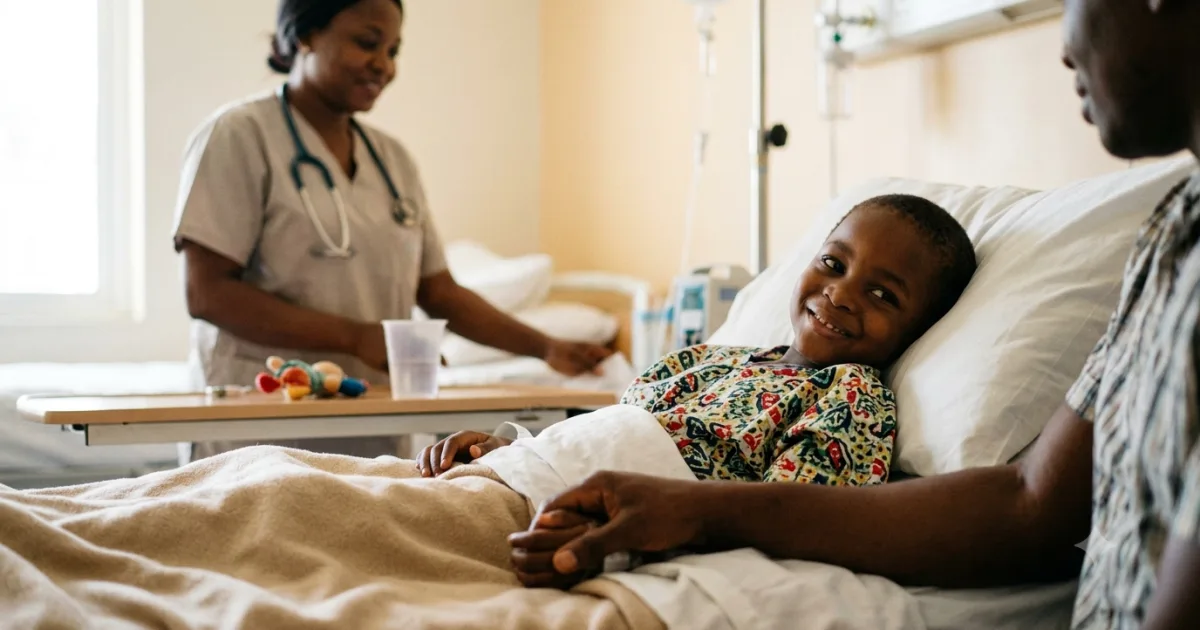
📌 Quick Summary: Nigeria has the highest burden of sickle cell disease of any country in the world. Approximately 150,000 Nigerian children are born with the condition every year, and an estimated 100,000 infants die annually from sickle cell complications. Yet sickle cell disease is NOT a death sentence — with proper management, people with the condition can live full, active and long lives. This NaijaSabi guide covers everything Nigerians need to know: what sickle cell disease is, how genotypes work (AA, AS, SS, AC, SC), how to manage it day-to-day in Nigeria, what medications are used, where to get help, and what parents of warriors need to know.
⚠️ Medical Disclaimer: This article is for informational purposes only and does not constitute medical advice. NaijaSabi is not a medical institution. Sickle cell disease is a serious medical condition that requires diagnosis and management by qualified Nigerian doctors and haematologists. Never change, stop or start any medication based on information in this article. Always consult a qualified Nigerian healthcare professional for diagnosis, treatment and ongoing care. For medical emergencies, call Nigeria’s emergency line: 112.
In Nigeria, sickle cell disease is personal. It is the cousin who was always in and out of hospital as a child. It is the couple who found out their genotypes too late. It is the young adult who has learned to read their own body like a map — knowing which foods, which temperatures, which levels of exertion bring a crisis and which do not. It is the parent who carries the diagnosis of their child like a second heartbeat, always present, always vigilant. Nigeria has more people living with sickle cell disease than any other country in the world. And yet, as Nigeria Health Watch observed in June 2026, the national conversation remains so narrowly focused on prevention — know your genotype, do not marry AS to AS — that an entire generation of people already living with the condition has been left without adequate information, support or care. This NaijaSabi guide exists to fill that gap.
| Fact | Detail |
| Nigeria’s global position | Highest burden of sickle cell disease of any country in the world |
| New births with SCD per year in Nigeria | ~150,000 children annually |
| Infant deaths from SCD annually in Nigeria | ~100,000 — Federal Ministry of Health, Nigeria |
| Adults carrying the sickle cell gene in Nigeria | ~25% of the adult population |
| Child survival rate without management | Only ~50% of children with SCD survive beyond age 5 in Nigeria |
| Child survival rate with early management | Significantly higher — consistent treatment dramatically improves outcomes |
| Is sickle cell curable? | Bone marrow/stem cell transplant can cure — expensive and not widely available in Nigeria. Gene therapy trials ongoing globally |
| Is sickle cell manageable? | Yes — with proper medical care, people with SCD live full and productive lives |
| Key management medications in Nigeria | Hydroxyurea (most important), folic acid, penicillin prophylaxis, pain management |
What Is Sickle Cell Disease — Explained in Plain Language
Sickle cell disease (SCD) is an inherited blood disorder. It affects the shape of red blood cells — the cells responsible for carrying oxygen around the body. In a person without sickle cell disease, red blood cells are round, flexible and smooth, allowing them to move easily through blood vessels. In a person with sickle cell disease, these cells become crescent-shaped — like a sickle or the letter C — stiff, sticky and fragile.
These abnormal cells cause two main problems:
- Anaemia: Sickle-shaped cells break down much faster than normal red blood cells — normal cells live 90–120 days, sickle cells live only 10–20 days. The body cannot replace them fast enough, causing chronic anaemia — a persistent shortage of oxygen-carrying cells
- Vaso-occlusion (blockages): Sickle cells are sticky and rigid — they can clump together and block blood vessels, preventing oxygen from reaching tissues and organs. This causes the intense pain that warriors call a “crisis” — and can also cause strokes, organ damage and serious infections
Sickle cell disease is genetic — it is inherited from parents, not caught from another person. It is not contagious. A child must inherit a sickle cell gene from both parents to have sickle cell disease (SS genotype). This is why genotype knowledge before having children is so important — but it is also why many Nigerians whose parents were both AS were surprised to discover their child has SS.
Nigerian Genotypes Explained — AA, AS, SS, AC, SC
Every Nigerian carries two haemoglobin genes — one inherited from each parent. The combination of these two genes determines your genotype. Here is what every Nigerian needs to understand about each genotype:
| Genotype | What It Means | Has Sickle Cell Disease? |
| AA | Two normal haemoglobin genes — the “clear” result most Nigerians hope for | No — healthy, not a carrier |
| AS | One normal gene (A) and one sickle gene (S) — the “sickle cell trait” carrier | No — carrier only, generally healthy but can pass S gene to children |
| SS | Two sickle genes — full sickle cell disease (Sickle Cell Anaemia) | Yes — most common and most severe form of SCD |
| AC | One normal gene (A) and one haemoglobin C gene — another type of carrier | No — generally healthy carrier |
| SC | One sickle gene (S) and one haemoglobin C gene | Yes — a form of sickle cell disease, often milder than SS but still serious |
The Most Important Genotype Combinations for Nigerian Couples
| Parent 1 | Parent 2 | Risk to Children |
| AA | AA | All children will be AA — no sickle cell risk |
| AA | AS | 50% chance AA, 50% chance AS — no child will have SCD |
| AS | AS | 25% AA, 50% AS, 25% SS — 1 in 4 chance of SCD child |
| AS | SS | 50% AS, 50% SS — 1 in 2 chance of SCD child |
| SS | SS | All children will have SS — every child will have SCD |
| AS | AC | 25% AA, 25% AS, 25% AC, 25% SC — 1 in 4 chance of SC disease |
The AS + AS combination is the most common high-risk pairing in Nigeria — and the most frequently encountered in pre-marital genotype counselling. When two AS individuals have children together, there is a 25% chance with each pregnancy that the child will have SS sickle cell disease. This is not a reason to panic — it is a reason to seek genetic counselling and make informed reproductive decisions. Consult a qualified genetic counsellor or haematologist for guidance specific to your situation.
Living With Sickle Cell Disease in Nigeria — Day-to-Day Management
For Nigerians already living with sickle cell disease — and for the parents and families of warriors — this section is the most important part of this article. Management is not just about medication. It is about understanding triggers, building routines, knowing your own body and accessing consistent healthcare. With proper management, warriors in Nigeria can lead full, active, educated, working and socially rich lives.
Understand and Avoid Your Crisis Triggers
A sickle cell crisis — the episode of severe pain caused by blood vessel blockage — is often triggered by specific conditions that cause sickle cells to become more rigid and sticky. Every warrior’s triggers are somewhat individual, but the most commonly reported in the Nigerian context include:
- Dehydration: The single most important and preventable trigger. When the body is dehydrated, blood becomes more concentrated, making sickling more likely. Warriors must drink water consistently — especially in Nigeria’s heat, during physical activity and during illness. The recommendation is a minimum of 8–10 glasses of water daily, more during hot weather and exercise
- Cold temperatures: Exposure to cold — air conditioning, cold water, cold weather — causes blood vessels to constrict, triggering crises. Warriors in Nigeria should be cautious with long periods in heavily air-conditioned environments, avoid cold showers, and dress appropriately in harmattan season
- Infections: Any infection — malaria, typhoid, respiratory infections, urinary tract infections — can trigger a crisis. This is why infection prevention and prompt treatment are particularly important for warriors. Malaria is especially dangerous for people with SCD — take prophylaxis consistently if recommended by your doctor
- Stress: Physical and emotional stress both increase crisis risk. Warriors need to manage their stress levels carefully — adequate sleep, avoiding overwork, and emotional self-care are medically relevant, not luxuries
- High altitude: Lower oxygen levels at altitude can trigger sickling. Warriors should discuss any air travel or plans to move to high-altitude locations with their haematologist
- Overexertion: Heavy physical exertion without adequate rest and hydration increases crisis risk. This does not mean warriors cannot be active — regular, moderate physical activity is generally beneficial — but pushing the body to exhaustion should be avoided
Medications Used in Sickle Cell Management in Nigeria
Important: All medications for sickle cell disease must be prescribed and monitored by a qualified Nigerian doctor or haematologist. Never self-medicate for sickle cell disease.
- Hydroxyurea (Hydroxycarbamide): The most important disease-modifying medication for sickle cell disease currently available in Nigeria. Hydroxyurea works by stimulating the production of foetal haemoglobin (HbF) — a type of haemoglobin that does not sickle — which reduces the frequency and severity of crises, reduces anaemia, and significantly reduces hospitalisation rates. Studies show hydroxyurea can dramatically improve quality of life and survival rates for people with SS sickle cell disease. It is available at major Nigerian teaching hospitals and some specialist centres. The Federal Ministry of Health has prioritised increasing access to hydroxyurea for Nigerians with SCD. Your haematologist will determine the appropriate dose and monitor you on it
- Folic acid: A daily B-vitamin supplement that supports red blood cell production — particularly important for warriors because sickle cells break down faster, creating a higher demand for new cell production. Folic acid is inexpensive and widely available at Nigerian pharmacies
- Penicillin prophylaxis: Children with sickle cell disease are highly vulnerable to bacterial infections, particularly from encapsulated bacteria like pneumococcus. Daily low-dose penicillin (oral penicillin V) is recommended for children with SCD from infancy until at least age 5 — and sometimes longer — to prevent life-threatening bacterial infections. This recommendation comes from the Federal Ministry of Health and is standard practice in sickle cell specialist centres across Nigeria
- Pain management: When a crisis occurs, pain management is the immediate priority. For mild to moderate pain, paracetamol and non-steroidal anti-inflammatory drugs (NSAIDs like ibuprofen) may be prescribed. For severe crisis pain, hospitalisation and stronger pain management under medical supervision is required. Never manage severe sickle cell crisis pain at home without medical input — severe crises require hospital care
- Malaria chemoprophylaxis: Given malaria’s particular danger for warriors, your doctor may recommend regular anti-malarial prophylaxis depending on your location and exposure risk
- Blood transfusions: For severe anaemia, acute chest syndrome, stroke or other serious complications, blood transfusions may be required. This is managed at hospital level
- Bone marrow / stem cell transplant: Currently the only cure for sickle cell disease. However, it is expensive, requires a compatible donor (ideally a matched sibling), carries significant risks, and is only available at a small number of specialist centres in Nigeria. Gene therapy trials globally hold promise for the future. Discuss with a specialist haematologist if you want to explore this option
Nutrition and Diet for Sickle Cell Warriors in Nigeria
While no specific diet cures or treats sickle cell disease, good nutrition supports overall health and reduces the impact of crises. Nigerian nutritionists and haematologists generally advise warriors to:
- Eat balanced meals regularly — skipping meals worsens fatigue and anaemia
- Consume iron-rich Nigerian foods — ofada rice, beans, liver, green vegetables (ugwu, spinach, waterleaf) — to support red blood cell production
- Eat folate-rich foods — beans, green leafy vegetables, citrus fruits — alongside folic acid supplements
- Drink water consistently throughout the day — particularly in hot weather
- Limit alcohol — alcohol dehydrates and can trigger crises
- Avoid very cold food and drinks that can trigger vasospasm in some warriors
For Parents of Children with Sickle Cell Disease in Nigeria
Receiving a sickle cell diagnosis for your child is one of the most difficult moments a Nigerian parent can experience. Here is what the medical evidence and Nigerian warrior community tell parents:
- Get your child into specialist care immediately. Early enrolment with a haematologist or sickle cell specialist clinic is the single most important thing you can do. The difference in outcomes between children who receive consistent specialist care and those who do not is dramatic. The Federal Government’s Universal Newborn Screening Programme in Lagos, Kano and the FCT identifies SCD at birth — if your child is screened positive, follow up immediately
- Start penicillin prophylaxis early. Your doctor should prescribe daily penicillin from the time of diagnosis in infancy. Do not miss doses. Bacterial infections are a leading cause of early death in Nigerian children with SCD — penicillin is life-saving
- Ensure all recommended vaccinations are given. Children with SCD have impaired spleen function, making them more vulnerable to infections that vaccines prevent. Ensure your child receives all EPI schedule vaccines plus pneumococcal and meningococcal vaccines if available
- Know the emergency signs. Take your child to hospital immediately if they develop: sudden severe pain not responding to usual pain relief, fever above 38.5°C, difficulty breathing, sudden weakness or paralysis on one side, sudden vision problems, severe abdominal swelling, or an unusually pale or yellow complexion worsening rapidly
- Connect with the Nigerian sickle cell community. Organisations including the Sickle Cell Advocacy and Management Initiative (SCAMI), CrimsonBow Initiative and the Association of People Living with Sickle Cell Disorder (APLSCD) provide community support, free clinic days, emotional support and advocacy. These communities are invaluable sources of practical Nigerian-specific knowledge that no clinic visit fully provides
Where to Get Sickle Cell Care in Nigeria
Major sickle cell specialist centres and haematology units in Nigeria include:
- Lagos University Teaching Hospital (LUTH) — Idi-Araba, Lagos — one of Nigeria’s primary SCD specialist centres
- Lagos Island General Hospital — Sickle Cell Foundation Nigeria clinic — Lagos Island
- University College Hospital (UCH) — Ibadan, Oyo State
- University of Nigeria Teaching Hospital (UNTH) — Enugu
- Nnamdi Azikiwe University Teaching Hospital (NAUTH) — Nnewi/Ukpo, Anambra (APLSCD specialist clinic)
- Aminu Kano Teaching Hospital — Kano (Universal Newborn Screening Programme location)
- National Hospital Abuja — Central Business District, FCT (Universal Newborn Screening Programme location)
- University of Port Harcourt Teaching Hospital (UPTH) — Port Harcourt
The Sickle Cell Foundation Nigeria (sicklecellfoundation.com) maintains a directory of specialist services and runs regular free clinic days across Lagos. Contact them directly for current schedules and locations.
When to See a Doctor in Nigeria — Sickle Cell Emergency Signs
Go to a hospital emergency department IMMEDIATELY — do not wait or manage at home — if a warrior experiences:
- Sudden severe pain not controlled by usual pain medication
- Fever above 38.5°C / 101.3°F — infection in a warrior is a medical emergency
- Difficulty breathing or chest pain — may indicate acute chest syndrome, a life-threatening complication
- Sudden weakness or inability to move one side of the body, sudden speech difficulty or sudden severe headache — stroke symptoms, require emergency treatment
- Priapism (prolonged painful erection in male warriors) — medical emergency requiring prompt treatment to prevent permanent damage
- Severe abdominal pain and distension — may indicate splenic sequestration
- Extreme pallor or rapidly worsening jaundice — may indicate severe anaemia
Call 112 in an emergency or go directly to the nearest Teaching Hospital emergency department.
Frequently Asked Questions — Sickle Cell Disease Nigeria
What genotype causes sickle cell disease in Nigeria?
Sickle cell disease in Nigeria is caused by inheriting two abnormal haemoglobin genes from your parents. The most severe and most common form — Sickle Cell Anaemia — occurs when a child inherits the sickle gene (S) from both parents, resulting in the SS genotype. Another form called SC disease occurs when a child inherits one sickle gene (S) and one haemoglobin C gene from their parents, resulting in the SC genotype. People with the AS genotype (one normal gene and one sickle gene) are carriers — they do not have the disease themselves but can pass the sickle gene to their children. Consult a genetic counsellor for guidance specific to your family situation.
Can someone with SS sickle cell disease live a normal life in Nigeria?
Yes — with proper medical management, people with SS sickle cell disease can and do lead full, active and productive lives in Nigeria. The critical factors are: enrolment with a haematologist or specialist sickle cell clinic, consistent medication (particularly hydroxyurea where prescribed), avoiding known crisis triggers, staying hydrated, completing all vaccinations, and having rapid access to emergency care when crises occur. Sickle cell disease is not a death sentence — it is a condition that requires management, knowledge and access to care. Many Nigerian warriors are students, professionals, parents and community leaders who live full lives while managing their condition effectively. Speak with your haematologist about your individual management plan.
What is hydroxyurea and is it available in Nigeria?
Hydroxyurea (also called hydroxycarbamide) is the most important disease-modifying medication available for sickle cell disease. It works by stimulating the body to produce foetal haemoglobin — a type of haemoglobin that does not sickle — which reduces crisis frequency, reduces anaemia and significantly improves quality of life and survival. Hydroxyurea is available in Nigeria at major teaching hospitals and sickle cell specialist centres, including LUTH, UCH Ibadan, UNTH Enugu, UPTH and the Sickle Cell Foundation Nigeria clinic in Lagos. The Federal Ministry of Health has been working to increase access to hydroxyurea across Nigeria. It must be prescribed by a doctor and monitored with regular blood tests. Do not self-prescribe or obtain hydroxyurea without medical supervision.
How common is sickle cell disease in Nigeria?
Nigeria has the highest burden of sickle cell disease of any country in the world. Approximately 150,000 Nigerian children are born with sickle cell disease every year. Approximately 25% of Nigerian adults carry the sickle cell gene (AS, AC or other trait genotypes). An estimated 100,000 Nigerian infants die annually from sickle cell complications — a figure the Federal Ministry of Health and Dr Charles Nzelu (Director of Public Health at the Federal Ministry of Health) have cited as a national health emergency. With early diagnosis, consistent management and proper care, these deaths are largely preventable.
Where can I get free genotype testing in Nigeria?
Genotype testing is available at government hospitals across Nigeria at subsidised rates. The Federal Government’s Universal Newborn Screening Programme for Sickle Cell Disease provides free or low-cost newborn screening at selected facilities in Lagos State, Kano State and the FCT with support from the Clinton Health Access Initiative (CHAI). The Sickle Cell Foundation Nigeria runs regular free clinic days in Lagos — contact them at sicklecellfoundation.com for current dates. The CrimsonBow Sickle Cell Initiative and the Sickle Cell Advocacy and Management Initiative (SCAMI) also run periodic free genotype testing and clinic events — follow them on social media for announcements. Private laboratory genotype testing at accredited labs typically costs ₦2,000–₦10,000. Confirm current availability and pricing directly with your chosen provider.
Sources
- Federal Ministry of Health Nigeria — World Sickle Cell Day 2025 statement, Dr Charles Nzelu, Director of Public Health — health.gov.ng
- Voice of Nigeria — Nigerian Army and APLSCD 2026 World Sickle Cell Day commemoration, Enugu — von.gov.ng
Last updated: 17 September 2026 · NaijaSabi Health Desk. This article is for informational purposes only and does not constitute medical advice. Sickle cell disease requires diagnosis and management by qualified Nigerian doctors and haematologists. Never change or stop medication without consulting your doctor. For medical emergencies, call 112.




0 Comments
No comments yet. Be the first to share your thoughts!