


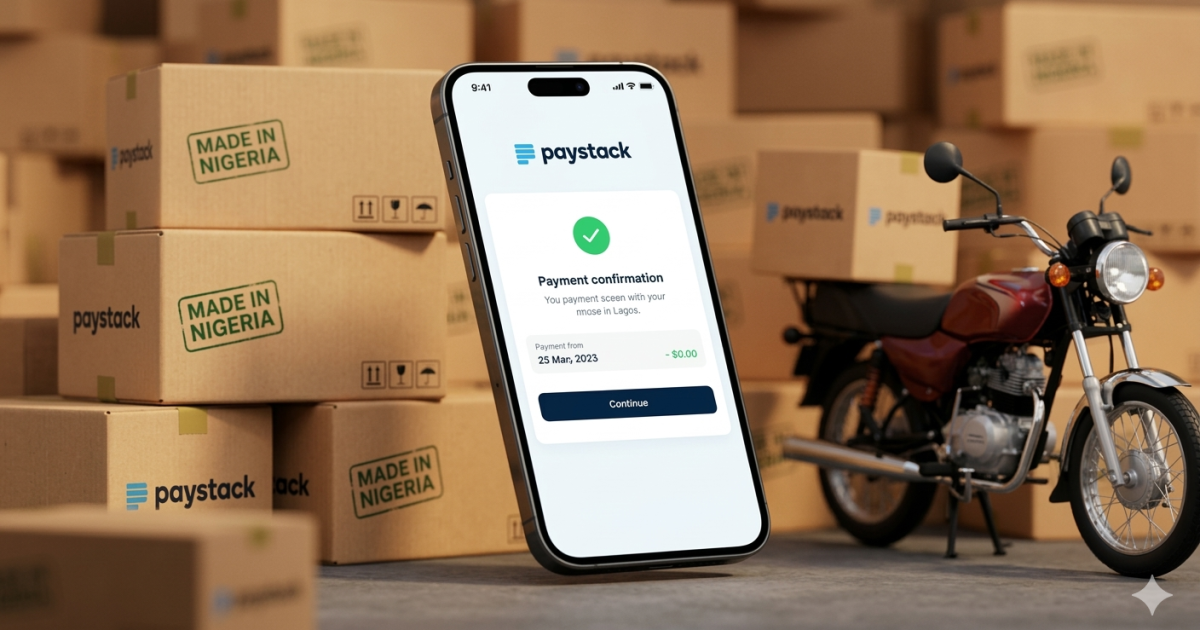
The Nigerian E-commerce space is booming. From Instagram vendors to full-scale Shopify stores, Nigerians are buying everything online—from electronics to organic skincare. However, many entrepreneurs fail because they treat E-commerce like a “get rich quick” scheme rather than a structured business. This guide will show you how to build an E-commerce brand that lasts.
1. Finding a Profitable Niche
Don’t try to be Jumia. Instead, find a “micro-niche.” Are you selling luxury wristwatches for men? Are you selling ergonomic office chairs for remote workers? When you narrow your focus, your marketing becomes cheaper, your brand becomes more authoritative, and your margins become much higher.
Niche selection is the single most important decision in your E-commerce journey. Research what products are in high demand but are not easily accessible through the major players.
- Focus on a problem: Does your product solve a specific, high-intent need?
- Evaluate margins: If your net profit is not at least 30%, it is hard to scale.
- Ensure recurring sales: Is this a product your customers will need again in 6-12 months?
2. Sourcing Products: Local vs. International
Many Nigerians rely on 1688, Alibaba, or AliExpress for sourcing. While these are great, don’t overlook local manufacturing. There is a growing demand for “Made in Nigeria” products, which often have higher margins and fewer logistical headaches with the clearing at the ports.
If you choose to import, calculate all costs *before* you order: product cost, shipping cost, customs clearance, and local warehousing. Your final landed cost is the true baseline for your pricing.
3. The Tech Stack: WordPress, Shopify, or Social Media?
If you are just starting, Instagram and WhatsApp are great. But to scale, you need a website. WooCommerce (WordPress) is the most popular choice in Nigeria because it is cost-effective and highly customizable. It allows you to integrate local payment gateways like Paystack and Flutterwave, so you can receive payments while you sleep.
Shopify is an alternative but comes with recurring monthly fees and is slightly more complex to customize for a purely local experience. A custom WooCommerce store allows you to own your platform and your data.
4. Solving the Logistics Puzzle: The Key to Profitability
Logistics is the “make or break” of Nigerian E-commerce. Partner with reliable dispatch companies rather than just finding the cheapest. Always have a clear policy for delivery timelines and returns.
While “Pay on Delivery” (POD) is a common entry point, it often results in high cancellation rates and increased operational costs. A strategic goal should be to build enough brand trust that customers are willing to prepay, offering them a discount or free shipping in return.
Conclusion
Building a six-figure online store in Nigeria requires more than just a good product; it requires a deep understanding of the Nigerian consumer. Treat your customers like royalty, keep your delivery promises, and the sky is your limit.